Photography Commercial Guide: How Brands Plan, Price, and License a Shoot
Plan a commercial shoot from brief to delivery, compare photographers, and understand production costs, licensing, contracts, and usage rights.

Commercial photography is commissioned visual storytelling designed to sell, position, explain, or promote a product, service, company, or experience. Treat it as a business asset, not a decorative expense: define the campaign objective, channels, deliverables, and approval process before requesting proposals. Neither pricing nor usage rights can be evaluated responsibly until the production scope and intended use are clear.
Pas le temps de lire ?
- Commercial photography is created for a defined business objective, audience, channel, and licensed use—not simply to make an attractive image.
- Before requesting estimates, define the campaign goal, deliverables, shot list, visual direction, approval process, and intended media.
- Project cost cannot be assessed from shoot time alone; production requirements, post-production, duration, territory, media, and exclusivity all matter.
- The next action is to issue one complete creative brief to a shortlist of relevant specialists and compare equivalent proposals.
Commercial Photography Is Built to Produce a Business Outcome
Commercial photography begins with an intended response. A viewer should recognize quality, understand a product, trust a company, desire an experience, or take a measurable next step. The image is created for a target audience within the constraints of a brand identity, distribution plan, approval chain, and campaign objective.
That distinguishes it from personal, fine-art, event, portrait, and purely expressive photography. Editorial photography may illustrate an independently produced story, while commercial work is commissioned to advance the client’s interests. Even when the finished image feels spontaneous, its message, styling, format, and licensed use are deliberate.
The phrase photography commercial is sometimes used informally to describe this field, but the business principle remains the same: creative decisions must support a defined marketing function. Those functions can include premium positioning, accurate ecommerce presentation, campaign consistency, customer trust, lead generation, engagement, and sales. Photography can support these outcomes, but no credible provider should promise performance without considering the offer, media placement, audience, and wider marketing funnel.
Before you hire a commercial photographer, decide what the images must accomplish and where they will appear. A beautiful portfolio establishes creative capability. It does not, by itself, prove that a photographer can manage brand requirements, production logistics, channel-specific deliverables, approvals, copyright, and image licensing.
Match the Assignment Type to the Marketing Job
The assignment category affects the crew, set, schedule, equipment, post-production, and license. Effective commercial photo shoot planning starts by matching the production method to the marketing job rather than forcing every need into one visual treatment.
| Assignment type | Primary business purpose | Typical complexity | Likely channels |
|---|---|---|---|
| Product photography | Present details, materials, textures, and features clearly | Controlled styling, repeatable angles, color accuracy | Ecommerce, websites, trade materials |
| Packshot photography | Isolate a product or package with precise consistency | High repetition, careful reflections, label control | Ecommerce, packaging, promotions |
| Catalog photography | Build an informative, cohesive product range | Volume management, standardized framing, efficient workflow | Print and digital catalogs, sales portals |
| Lifestyle product photography | Show the product in credible real-world use | Locations, props, talent, narrative styling | Websites, organic social, digital campaigns |
| Advertising photography | Create attention-led campaign imagery and visual storytelling | Concept development, larger crew, extensive approvals | Paid media, out-of-home, print, campaign landing pages |
| Food and beverage photography | Convey flavor, freshness, texture, temperature, and hospitality | Time-sensitive styling, controlled lighting, rapid resets | Menus, delivery platforms, packaging, social campaigns |
| Fashion photography | Express apparel fit, movement, identity, and aspiration | Casting, model direction, wardrobe, hair and makeup | Ecommerce, lookbooks, advertising, social media |
| Corporate photography | Humanize leadership, teams, services, and workplaces | Scheduling, location control, brand consistency | Websites, reports, recruitment, public relations |
| Architectural photography | Communicate space, materials, atmosphere, and design | Location scouting, weather planning, perspective control | Hospitality websites, property marketing, trade publications |
| Social media photography | Produce platform-specific content for attention and engagement | Multiple formats, frequent variations, rapid delivery | Instagram, TikTok, paid and organic social |
| Drone photography | Establish location, scale, access, and spatial context | Airspace compliance, weather dependency, specialist operation | Tourism, property, corporate films, campaign content |
A single campaign may combine several categories. A restaurant launch, for example, could require:
- Packshots for packaged retail products
- Catalog-style menu coverage for ordering platforms
- Lifestyle product photography showing the dining experience
- Advertising photography for the central campaign concept
- Social media photography in vertical and square crops
- Architectural and drone photography to establish the location
Combining requirements can create efficiency, but only when the shot list distinguishes each image’s purpose. A dramatic hero image for paid media should not be assumed to replace a clean ecommerce view, just as an atmospheric cocktail photograph may not provide the clarity required for a digital menu thumbnail.
Turn the Campaign Objective into a Shoot-Ready Brief
A creative brief translates business intent into production decisions. It should give the commercial photographer enough information to propose a relevant concept, crew, schedule, deliverable plan, and license. It also makes commercial photography pricing more comparable because each bidder is responding to the same assignment.
Define the following before estimating begins:
- Target audience and the action or perception the campaign should create
- Offer, product, service, or experience being promoted
- Brand attributes, visual references, and non-negotiable brand rules
- Campaign objectives and practical success criteria
- Channels, placements, launch date, and content lifespan
- Required deliverables, aspect ratios, dimensions, and file types
- Budget boundaries, production timeline, and approval deadlines
- Decision-makers, including the creative director, art director, art buyer, agency, and client approvers
- Accessibility needs, including the factual context required for useful alt text
- Known restrictions involving locations, products, talent, claims, or packaging
Collect current logos, packaging files, color specifications, campaign copy, previous imagery, and relevant competitor references. References should clarify the intended market position without inviting imitation.
The shot list then defines what must be captured: subjects, locations, perspectives, angles, sequence, priority, intended placement, and required crops. Mark hero images separately from supporting assets and indicate which compositions must accommodate headlines, interface elements, or alternate orientations.
The mood board governs the sensory language of the shoot. It can combine images, video, links, color palettes, lighting references, textures, composition, visual hierarchy, styling details, and explanatory notes. “Fresh” might mean crisp backlight, visible condensation, cool highlights, and lifted ingredients. “Luxury” might require controlled reflections, restrained color, sculptural shadows, and precise negative space.
Product preparation belongs in the brief as well. Confirm which items are camera-ready, whether duplicate products are available, who checks labels and packaging, and how perishable ingredients will be sequenced. These details prevent expensive production time from being consumed by avoidable corrections.
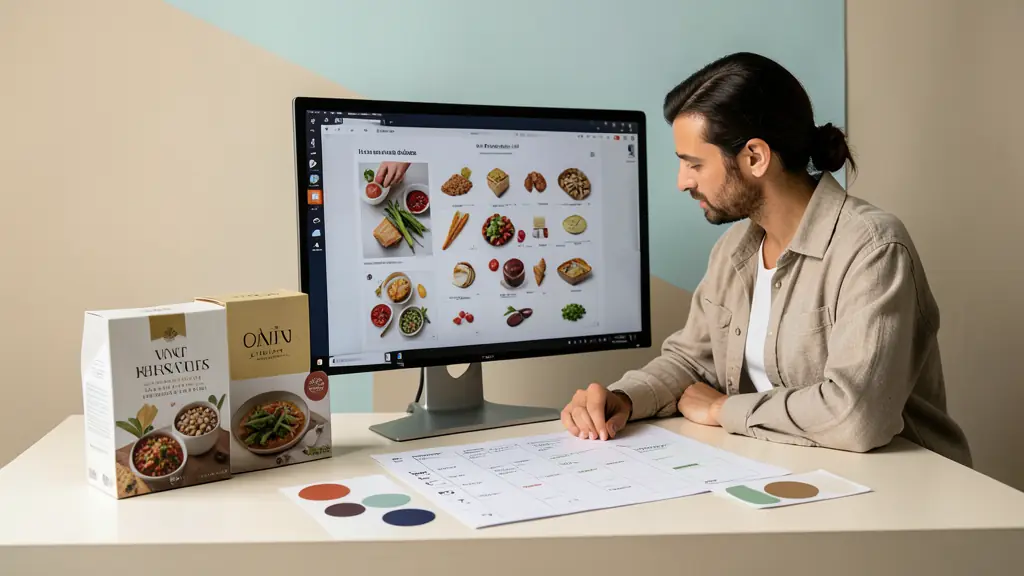
What Happens Before, During, and After Production
A commercial assignment is a managed sequence, not merely time behind the camera.
- Discovery and concept development: The photographer examines the audience, campaign objectives, brand requirements, channels, schedule, and intended use. The concept is refined into a feasible visual approach.
- Estimating and pre-production: The team builds the budget, schedule, crew plan, equipment list, and deliverable specifications. Location scouting evaluates creative potential, power, access, sound, weather exposure, permissions, loading, and safety. Casting, permits, insurance, prop sourcing, wardrobe, product logistics, and lighting tests are coordinated here.
- Production: The photographer directs capture, composition, exposure, and lighting while protecting the agreed visual direction. Tethered review allows the client and art director to inspect framing, styling, focus, product accuracy, and usable copy space as the shoot progresses. Files should be backed up during production rather than entrusted to a single storage device.
- Selection and client proofing: A password-protected online gallery or watermarking can protect review files. Centralized comments reduce conflicting instructions and create a traceable selection process.
- Post-production: Selected images receive color refinement, cleanup, compositing where approved, consistency matching, and retouching. Final files move through approval, export, quality control, and delivery.
The photographer may lead a compact team or collaborate with a producer, photo assistant, digital technician, retoucher, location manager, set designer, models, and agency representatives. Subject-specific specialists can include a food stylist, prop stylist, fashion stylist, wardrobe stylist, and hair and makeup artist. The creative director protects the campaign concept, while the art director translates it into visual execution.
Responsibility should be explicit. Confirm who supplies products, casts each model, approves styling, obtains permits, secures a model release or property release, and makes the final selection. The schedule should include realistic setup, review, reset, and breakdown time rather than treating every booked minute as capture time.
Discuss photography usage rights during estimating, not after the images have been approved. Media, duration, territory, campaign scale, paid placement, and exclusivity can affect the license and therefore the proposal. Delaying that conversation creates uncertainty around both cost and lawful use.
Lighting and Equipment Must Serve the Visual Promise
There is no universal professional kit. Equipment should be selected for the subject, environment, output, and visual promise.
A full-frame DSLR or mirrorless camera can provide the resolution, lens options, and tethering support required for commercial production. A standard lens offers natural perspective, a wide-angle lens establishes spaces, a telephoto lens compresses distance, and a macro lens reveals fine texture. Tilt-shift lenses help control perspective in architectural and product work. A tripod supports accurate framing, long exposures, panoramas, composites, and consistent positioning across product variations.
Lighting determines how the subject feels. Natural light may create an open, seasonal atmosphere, but it changes with time and weather. A speedlight is compact, while a studio strobe provides greater output and control. Continuous lights make lighting behavior immediately visible. Softboxes, umbrellas, reflectors, flags, grids, diffusion, and grip equipment shape direction, contrast, spill, edge definition, and highlight size.
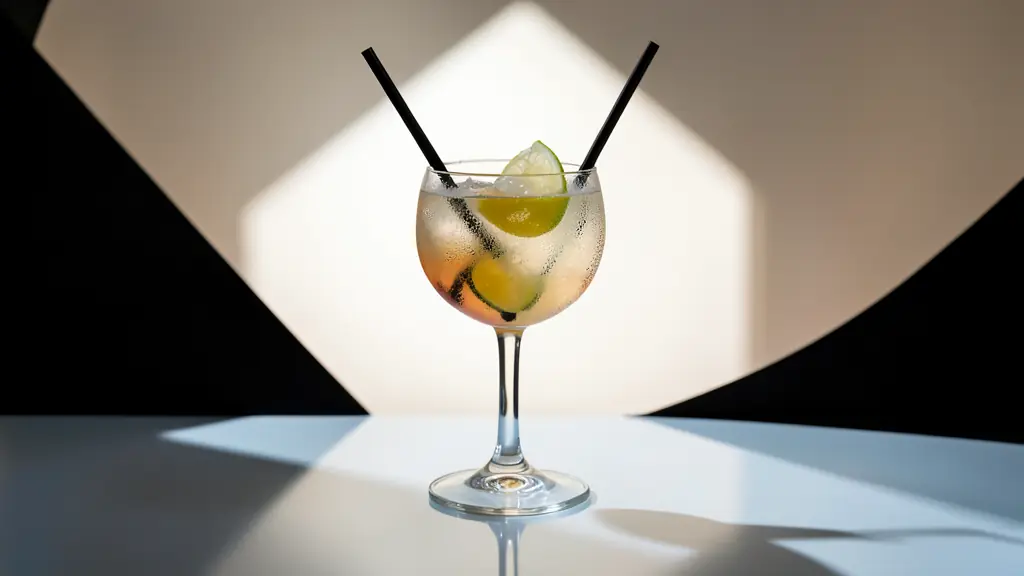
For beverages, controlled backlight and carefully placed reflections can reveal clarity, carbonation, garnish texture, and glass contours. For food, light direction can separate ingredient layers, preserve surface moisture, and communicate freshness without making the dish appear artificial. Darker, sculptural light may express exclusivity, while broad illumination can signal accessibility and abundance.
Tethering systems and calibrated displays support accurate review on set. Precise capture reduces avoidable retouching, but equipment ownership alone does not establish a commercial photography career. The commercial value lies in controlling the tools consistently under production pressure and aligning every technical choice with the brand.
Proofing, Retouching, and Delivery Define the Usable Asset
An image is not a finished commercial asset until the client can select, approve, receive, identify, and deploy it correctly.
The proofing plan should state how many images may be selected, who can comment, how feedback is consolidated, how many revision rounds are included, and what constitutes final approval. Online proofing with centralized comments prevents disconnected email threads from producing contradictory instructions. Version numbers, dated approvals, and locked selections protect both schedule and scope.
Commercial retouching may include global exposure and color refinement, followed by local adjustments, cleanup, compositing, label correction, background work, and consistency matching across an image series. Adobe Lightroom and Capture One are often used for capture and broad image development, while Adobe Photoshop supports detailed retouching. Adjustment layers and smart objects enable non-destructive editing, making revisions more controlled.
The objective is not frictionless perfection. Food should retain credible texture, materials should remain recognizable, and packaging must preserve approved brand details. Excessive cleanup can weaken trust by making products look synthetic or materially inaccurate.
Delivery specifications should cover:
- Resolution, pixel dimensions, and aspect ratios
- Color spaces and print or web profiles
- File formats and transparency requirements
- Metadata, copyright information, and usage notes
- File naming conventions and folder structures
- Web, print, social, catalog, and delivery-platform exports
- Channel-specific crops and safe areas
- Archival files and the retention policy for working files
If AI-powered editing, generative AI, or synthetic elements may be used, the proposal should establish boundaries before production. Clients may require disclosure, provenance records, separate approval, or a complete prohibition. Generative changes must not silently alter product features, labels, ingredients, people, locations, or claims. Efficiency does not override authorship, accuracy, or brand trust.
The Estimate Covers Production; the License Covers Use
A useful estimate separates the resources required to make the work from the permission to use it. A day rate alone cannot reveal the full commercial cost.
Production-related line items may include:
- Discovery, concept development, and pre-production
- Shoot time, including setup and breakdown
- Post-production and retouching
- Camera, lighting, tethering, and grip equipment
- Studio photography rental or location costs
- Producer, assistant, digital technician, and specialist fees
- Food stylist, prop stylist, model, set, wardrobe, and grooming costs
- Casting, permits, travel, accommodation, insurance, and expenses
- Contingency for defined production risks
- Creative fee, overhead, and profit
Some photographers use a day rate, while others apply project pricing or value-based pricing. None of these structures is inherently more transparent. The client must examine what the figure includes, which assumptions support it, and which changes trigger additional charges. Exact costs remain unknown until scope and usage are defined.
The license addresses use. Image licensing may change according to:
- Duration of use
- Territory, such as local, national, or international distribution
- Media, including websites, packaging, menus, catalogs, paid advertising, and social platforms
- Campaign scale and prominence
- Paid versus organic placement
- Category or market exclusivity
- Renewal options and associated usage fees
Copyright generally remains distinct from possession of the delivered files. A license grants specified usage rights without necessarily transferring copyright. A copyright assignment or work-made-for-hire provision can produce a different ownership result and should not be treated as interchangeable boilerplate.
The contract should also define scope, payment schedule, expenses, revisions, delivery, cancellation, postponement, indemnity, credit where applicable, archival responsibilities, and remedies for unapproved use. It should allocate responsibility for model releases and property releases, especially when recognizable people, private interiors, artworks, or protected property appear in the images.
These are high-level commercial considerations, not legal advice. US-specific copyright, work-made-for-hire, release, indemnity, and contract terms should be reviewed by qualified counsel.
Commercial Photography as a Career Requires More Than Camera Skill
Professional capability combines technical control, creative judgment, communication, project management, estimating, licensing knowledge, negotiation, marketing, and dependable client service. A photographer must translate business language into images, coordinate contributors, anticipate production risks, and deliver files that function across real marketing channels.
Aspiring professionals should select a niche deliberately, then use personal projects to demonstrate the assignments they want to win. A recognizable portfolio is more persuasive than a broad collection with no consistent point of view. It should show both finished hero images and evidence of repeatable problem-solving across a campaign.
Business development can include a portfolio website, local SEO, referrals, photography associations, local business chambers, industry publications, online photography communities, and relationships with creative directors, art buyers, agencies, producers, and photography agents. Networking earns attention, but reliable delivery earns retention.
The operational standard matters: accurate estimates, clear call sheets, disciplined backups, predictable proofing, responsive communication, and on-time delivery generate confidence. Drone photography requires appropriate compliance and operating competence where relevant. AI-assisted editing should be adopted with similar discipline, using automation to support controlled craft rather than obscure authorship, introduce inaccuracies, or weaken client trust.
Choose the Photographer—and the Proposal—as One Package
Creative fees are only one part of the buying decision. Compare photographers on strategic fit, production capability, deliverable precision, and licensing transparency.
Use a consistent evaluation checklist:
- Relevant specialization and understanding of the assignment category
- Portfolio consistency across complete campaigns, not only isolated hero images
- Ability to connect visual style with the target audience and campaign objectives
- Production scale, team access, location capability, and specialist relationships
- Contingency planning for weather, equipment, products, talent, and scheduling
- Communication standards and clarity of responsibilities
- Proofing workflow, selection process, and revision management
- Retouching standards and commitment to product realism
- Deadline feasibility and backup practices
- Exact deliverable specifications for every channel
- Copyright position, licensed media, duration, territory, exclusivity, and renewals
- Contract quality, insurance, releases, postponement, and cancellation terms
Before signing, ask direct questions:
- What creative, production, post-production, and licensing services are included?
- Which expenses are fixed, estimated, or subject to change?
- Who will join the crew, and which specialists are provisional?
- How is usage calculated, and what would trigger additional usage fees?
- Who owns the copyright, and what rights does the client receive?
- How many selections and revision rounds are included?
- When are model releases or property releases required, and who secures them?
- How will proofs, final files, metadata, and archival materials be delivered?
- May AI-powered editing or generative content be used at any stage?
- What happens if weather, product availability, illness, or another issue postpones the shoot?
- What cancellation charges or committed third-party costs may apply?
A lower creative fee can conceal narrower usage, fewer final files, minimal retouching, an undersized crew, or costs that appear later. Conversely, a larger proposal may include production safeguards and a broader license that make it more economical for the intended campaign. Compare the complete commercial package, not a single line item.
Issue the same creative brief, shot list, deliverable matrix, timeline, and usage requirements to every shortlisted photographer. Equivalent scope is the only reliable basis for comparing proposals and identifying the partner best equipped to convert the brand strategy into usable, persuasive imagery.
Envie d'aller plus loin ?
Laisse ton email, on te prévient dès qu'un nouvel article sort.