Commercial Studio Photography: Elevating Brand Authority Through Controlled Imagery
Move beyond amateur visuals. Learn how commercial studio photography provides the precision, consistency, and authority needed to justify premium pricing.
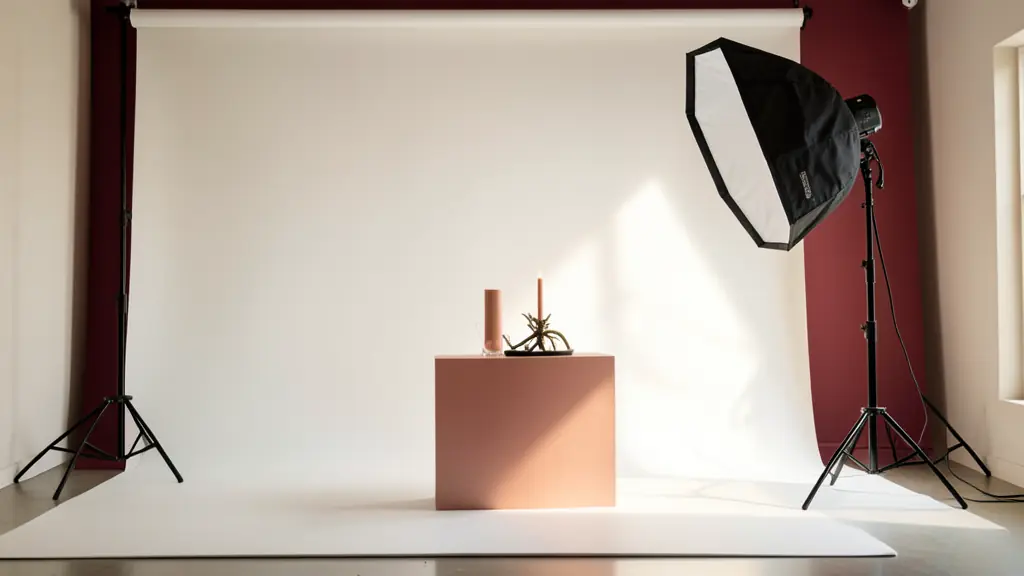
Commercial studio photography is not an exercise in artistic expression, but a strategic business tool designed to drive sales through absolute visual control. While stock imagery offers a generic shortcut, custom studio assets build authentic brand trust and significantly higher conversion rates by showcasing the precise craftsmanship of a product. A professional session delivers a comprehensive suite of high-resolution assets, tailored ratios, and legal licensing that transform a visual identity into a scalable commercial asset.
Commercial Studio Photography: Precision Over Expression
The fundamental divide between artistic photography and commercial studio photography lies in the objective. Artistic photography is subjective, driven by the photographer’s desire for self-expression or a specific emotional interpretation of a scene. In contrast, commercial work is goal-oriented. It does not exist to evoke a vague feeling, but to communicate a specific value proposition, align with established brand guidelines, and ultimately trigger a purchase decision.
When imagery is treated as a business asset, the focus shifts from « what looks beautiful » to « what converts. » This requires a repeatable process where lighting, composition, and styling are calibrated to highlight the product’s best attributes consistently across every frame. By removing the unpredictability of the natural world, a brand can ensure that its visual messaging remains cohesive, regardless of where the image is deployed. This precision is what drives a measurable product photography ROI, as the images are engineered to reduce customer hesitation and justify premium pricing.
To understand the strategic application of these visuals, refer to this business-first guide to commercial photography.
| Feature | Artistic Photography | Commercial Studio Photography |
|---|---|---|
| Primary Goal | Self-Expression / Emotion | Sales Conversion / Brand Alignment |
| Control Level | Adaptive (works with environment) | Absolute (creates the environment) |
| Consistency | Variable (mood-dependent) | Standardized (brand-dependent) |
| Value Driver | Aesthetic Merit | Commercial Utility & Scalability |
| Outcome | Portfolio Piece | Revenue-Generating Asset |
The High Cost of ‘Cheap’ Stock Imagery
Many brands attempt to scale their visual presence using stock libraries, viewing it as a cost-saving measure. In reality, this creates a « credibility gap. » When a high-end bistro or a luxury cocktail bar uses stock photos, they are not selling their own craftsmanship; they are selling a generic representation of a category. This lack of authenticity is immediately detectable to a discerning clientele, who perceive the disconnect between the promised quality and the recycled imagery.
The risk is not merely aesthetic, but competitive. Because stock libraries are public, there is a high probability that a direct competitor is using the exact same image of a « farm-to-table salad » or a « signature martini. » This erases any unique brand positioning and commoditizes the offering. Custom studio assets, however, capture the specific textures, plating styles, and ingredients that make a brand unique, leading to a significant lift in conversion rates.
The choice between a studio vs location shoot often comes down to the level of detail required. While a location shoot captures the atmosphere of a venue, the studio allows for a microscopic focus on the product itself, removing distractions and centering the consumer’s attention entirely on the quality of the offering.
- Authenticity Loss: Stock images cannot showcase the actual plating or cocktail presentation of your establishment.
- Brand Dilution: Using common imagery signals a lack of investment in the brand’s own identity.
- Competitive Overlap: The risk of sharing the same visual assets as rivals in the same urban market.
- Conversion Friction: Customers are less likely to purchase a premium-priced item if the visual proof is generic.
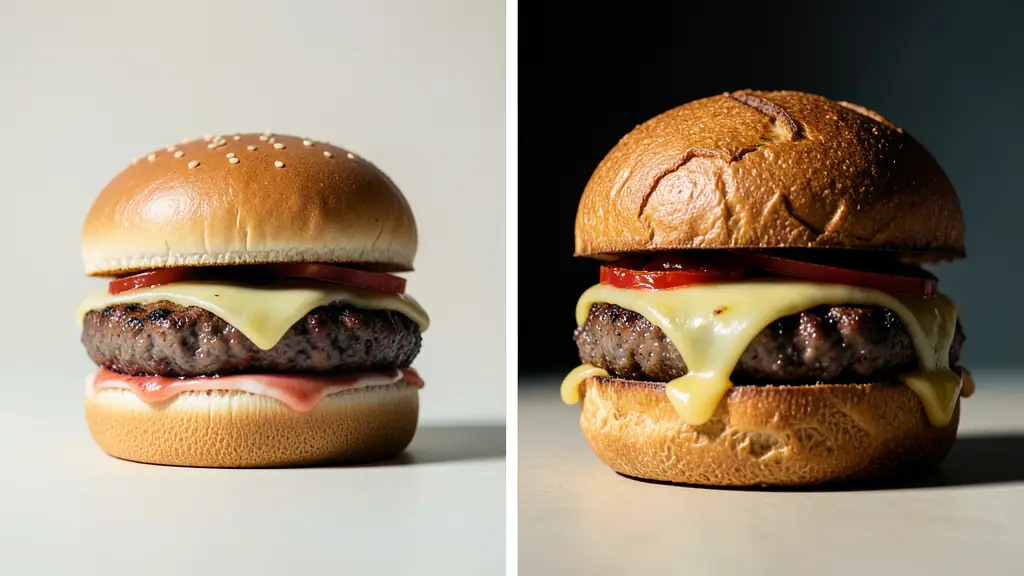
Core Categories of Commercial Studio Imagery
To build a complete visual ecosystem, a brand must deploy different types of imagery, each serving a specific role in the marketing funnel. These commercial image deliverables are categorized by their intent and technical execution.
Product Photography
This is the bedrock of commercial imagery. It includes « hero shots, » which are highly stylized, meticulously lit images designed for billboards, website headers, and primary advertisements. It also encompasses e-commerce imagery, such as clean, high-resolution shots on neutral backgrounds (typically white or soft grey) that provide a clear, undistorted view of the product for digital menus and delivery apps.
Lifestyle Studio
Unlike traditional lifestyle photography shot on location, the lifestyle studio approach uses simulated environments. By using curated props, textured backdrops, and specific lighting modifiers, the studio can evoke the feeling of a luxury lounge or a sun-drenched patio without the logistical constraints of a physical venue. This allows the brand to curate a specific mood that aligns perfectly with its target demographic.
Corporate and Brand Identity
Beyond the food and drink, the brand’s authority is reinforced through corporate imagery. This includes professional executive headshots of the founders and chefs, as well as « behind-the-scenes » studio captures that showcase the professionalism and precision of the kitchen operations. These images humanize the brand while maintaining a high-end, polished aesthetic.
The Technical Edge: Why the Studio Wins
The primary advantage of the studio is the total elimination of variables. In a location shoot, the photographer is at the mercy of the weather, the time of day, and the existing interior lighting of the venue. In a studio, the environment is engineered.
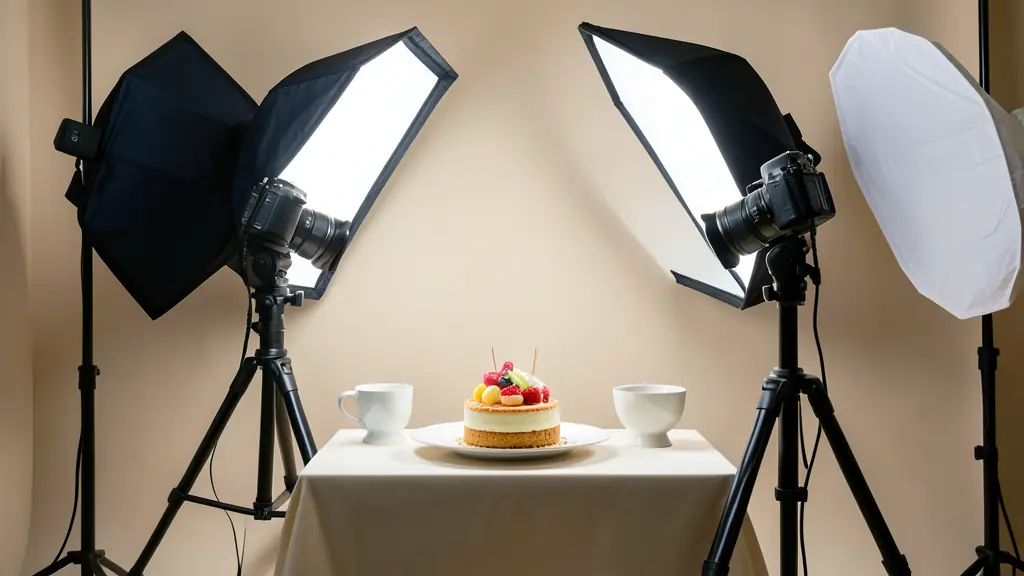
Lighting consistency is the most critical factor. Using a variety of lighting modifiers, a photographer can sculpt the light to emphasize the « sparkle » of a cocktail, the crispness of a garnish, or the richness of a sauce. This level of control ensures that every image in a campaign looks like it was taken in the same breath, creating a seamless brand visual identity.
Furthermore, the studio allows for complex food styling that would be impossible in a working kitchen. The ability to use precision tools, controlled temperatures, and specific angles without the interruption of restaurant operations means the final image is a perfected version of the product. This is where the « Art of Desire » is realized, turning a standard dish into an irresistible visual experience.
From Moodboard to Master File: The Production Workflow
A professional commercial shoot is a choreographed process, not a series of random snapshots. The workflow is designed to move from a business objective to a polished visual asset with zero wasted effort.
- The Creative Brief: The process begins with a strategic alignment. What is the goal of the shoot? Which platforms will the images inhabit? Who is the target audience? This brief ensures the imagery serves the business strategy.
- Moodboarding: Before a single light is turned on, a moodboard is developed. This visual map defines the color palette, the lighting style (e.g., moody and dark vs. bright and airy), and the overall composition. It serves as the blueprint for the entire production.
- Set Production: This is the execution phase. It involves the precise arrangement of the product, the selection of props, and the calibration of lighting. Food styling occurs here, ensuring that textures are highlighted and the product looks its absolute best.
- High-end Post-processing: The raw capture is only the beginning. Post-production involves professional color grading to ensure brand consistency and high-end retouching to remove imperfections, adjust highlights, and sharpen details. This final stage transforms a great photo into a commercial masterpiece.
Defining the Deliverables: What You Actually Own
The value of a studio session is not found in a single image, but in the versatility of the final delivery package. A professional session provides a suite of assets optimized for every possible touchpoint.
To properly manage these assets, it is essential to understand how brands plan and license a shoot, as the usage rights determine where and how the images can be deployed.
The standard commercial image deliverables typically include:
- High-Resolution TIFFs: Uncompressed master files intended for large-scale print, such as menus, posters, and physical signage.
- Optimized JPEGs: Files compressed for rapid loading on websites and delivery apps without sacrificing perceived quality.
- Diverse Aspect Ratios: Pre-cropped versions of the same image tailored for Instagram Stories (9:16), Feed posts (1:1 or 4:5), and website banners (16:9).
- Commercial License: A legal agreement granting the brand the right to use the images across various media channels for a specified duration.
Vetting Your Studio Partner
Selecting a photography partner is a business decision that requires a rigorous audit of their capabilities. A stunning portfolio is a start, but it is not sufficient. The goal is to find a partner who can translate a business brief into a visual result that drives revenue.
When vetting a studio, evaluate the following:
- Portfolio Alignment: Do not look for « pretty » pictures. Look for the specific textures and lighting your products require. If you sell high-end cocktails, can the photographer capture the translucency of ice and the condensation on a glass?
- Equipment Sophistication: Ensure the studio utilizes professional-grade lighting and capture systems. The difference between « good » and « world-class » imagery often lies in the precision of the gear and the expertise in using lighting modifiers.
- Strategic Thinking: Ask the photographer how they approach a brand’s visual identity. A true commercial partner will ask about your target audience and your pricing strategy before they ask about the backdrop color.
Audit your current visual assets against your premium pricing. If your imagery does not justify your price tag, the most effective investment you can make is not in more social media ad spend, but in a professional studio session to align your visual authority with your culinary quality.
Envie d'aller plus loin ?
Laisse ton email, on te prévient dès qu'un nouvel article sort.