The Art of Yellow Foods: A Curated Guide to Vibrant Culinary Aesthetics
A professional curation of yellow foods, distinguishing natural hues from cooked golds to help you build high-impact, themed culinary experiences.
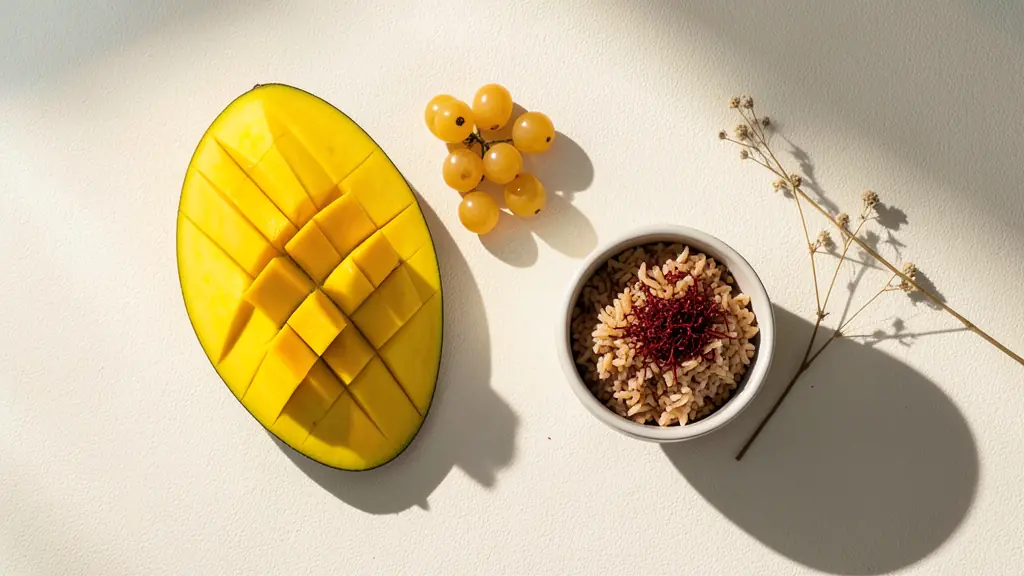
Yellow foods encompass a diverse spectrum ranging from pale creams to vibrant saffrons, distinguishing between ingredients that possess innate pigments and those that achieve their hue through heat or seasoning. For the event planner or culinary professional, this color palette offers a powerful tool for creating high-impact, visually cohesive spreads.
No time to read?
- Naturally yellow foods include citrus, corn, and tropical fruits.
- Prepared yellow hues often result from saffron, turmeric, or the Maillard reaction.
- Yellow is a high-energy color that stimulates appetite and optimism.
- Complete meals can be achieved through a mix of golden grains, root vegetables, and citrus accents.
Defining the Yellow Palette: Natural vs. Prepared
To master the visual language of a yellow-themed menu, one must first distinguish between botanical pigments and culinary transformations. The yellow spectrum is not monolithic; it is a result of various chemical and thermal processes that dictate how a dish is perceived by the consumer.
Natural yellow ingredients owe their color to carotenoids and flavonoids. These are the innate hues found in raw produce, where the color is a marker of ripeness and nutritional value. In these cases, the visual integrity of the food is preserved through minimal intervention, allowing the raw, organic vibrancy to lead the aesthetic.
Conversely, many yellow tones are the result of prepared applications. The Maillard reaction, for instance, transforms pale starches into golden-browns during searing or baking, creating a « cooked yellow » that signals warmth and crispiness. Other hues are introduced through concentrated spices, such as the deep ochre of turmeric or the luxurious, metallic gold of saffron. Understanding this distinction is critical for maintaining brand authenticity, as it allows a chef to avoid artificial dyes while still achieving a saturated, professional look.
The Golden Harvest: Yellow Fruits and Vegetables
When selecting produce for vibrant food styling, the goal is to identify varieties with the highest saturation and structural integrity. Not all yellow produce is created equal; some offer a muted, buttery tone, while others provide a neon brilliance that commands attention on a plate.
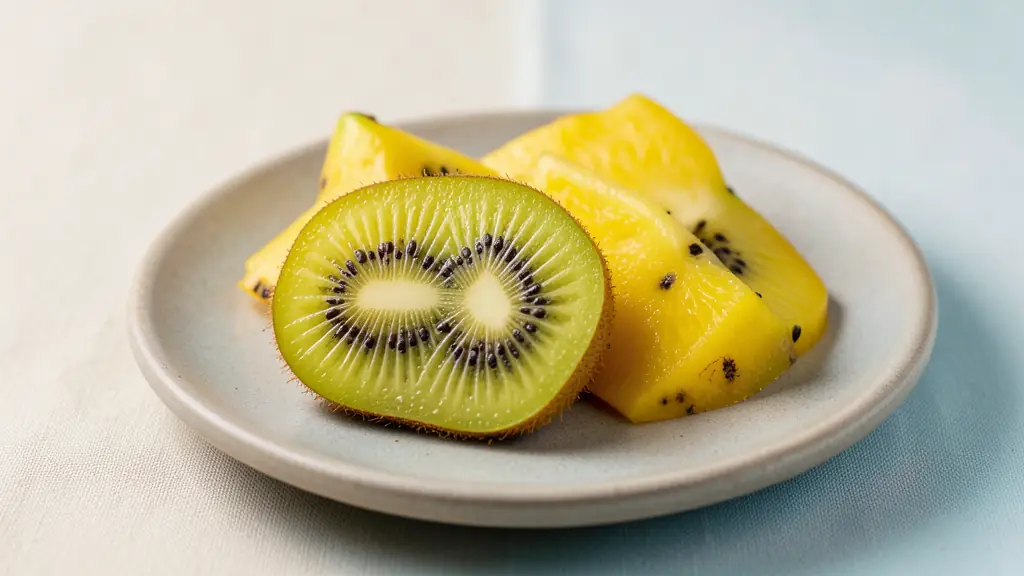
For fruits, the focus should be on those with a dense, opaque color profile. Golden kiwi and yellow dragon fruit offer avant-garde visual appeal, while the mirabelle plum and canary melon provide a sophisticated, seasonal touch.
For vegetables, the diversity of texture is where the commercial edge lies. The waxy sheen of yellow bell peppers contrasts sharply with the matte, earthy tone of Yukon Gold potatoes or the architectural curves of pattypan and delicata squash.
| Category | High-Impact Variety | Visual Characteristic | Culinary Application |
|---|---|---|---|
| Fruits | Golden Kiwi | Translucent gold | Garnish, Tartlets |
| Fruits | Yellow Dragon Fruit | Bright neon yellow | Exotic Salads, Bowls |
| Vegetables | Delicata Squash | Deep golden orange-yellow | Roasted, Sliced |
| Vegetables | Yellow Bell Pepper | Glossy, saturated yellow | Crudo, Roasted |
| Vegetables | Golden Beets | Earthy, vivid gold | Roasted, Pickled |
To maximize the visual impact of these ingredients:
* Utilize cape gooseberry or ground cherry for a high-end, organic garnish.
* Incorporate corn in its various forms (fresh, roasted, or creamed) to provide a classic, comforting yellow base.
* Leverage the stark, bright yellow of a ripe mango or pineapple for tropical, high-contrast compositions.
Sweets, Savories, and Liquid Gold
Expanding the palette beyond raw produce requires a curated selection of processed and fermented items. The key to maintaining a premium aesthetic is the reliance on natural yellow ingredients rather than synthetic colorants, which often result in an « artificial » look that deters high-spending clientele.
In the savory realm, the focus is on fats and ferments. Aged cheddar cheeses provide a rich, saturated yellow that evokes craftsmanship, while corn-based snacks, when prepared with high-quality oils, offer a golden, crispy texture ideal for game day recipes or cocktail hour.
For desserts and sweets, the palette shifts toward citrus and cream. Lemon tarts and passion fruit curds offer a bright, acidic yellow that stimulates the appetite. These are best paired with creamy bases to create a sophisticated tonal gradient.
Liquid gold represents the most challenging yet rewarding category for photography. The goal is to capture the « sparkle » and viscosity of the beverage:
* Fresh juices: Pineapple and orange blends for a bright, morning-centric glow.
* Fermented brews: Golden ales and honey-based meads that catch the light through the glass.
* Botanical infusions: Saffron-infused syrups or turmeric lattes for a modern, wellness-oriented aesthetic.
These elements are essential for building a cohesive party spread, ensuring that every touchpoint, from the appetizer to the drink, reinforces the color narrative.
From Palette to Plate: Yellow-Themed Meal Concepts
Translating a color palette into a full dining experience requires a balance of texture and tone to avoid visual monotony. By applying culinary color psychology, a chef can evoke feelings of optimism, energy, and hunger, positioning the meal as both a sensory and emotional experience.
An elevated, farm-to-table approach focuses on the juxtaposition of different yellow intensities. Pairing a pale, buttery base with a sharp, saffron-hued accent creates a depth that looks professional and intentional.
Consider these curated meal concepts for a high-end presentation:
* Appetizer: Saffron arancini served on a bed of lemon-infused aioli, garnished with micro-greens for a sharp color break.
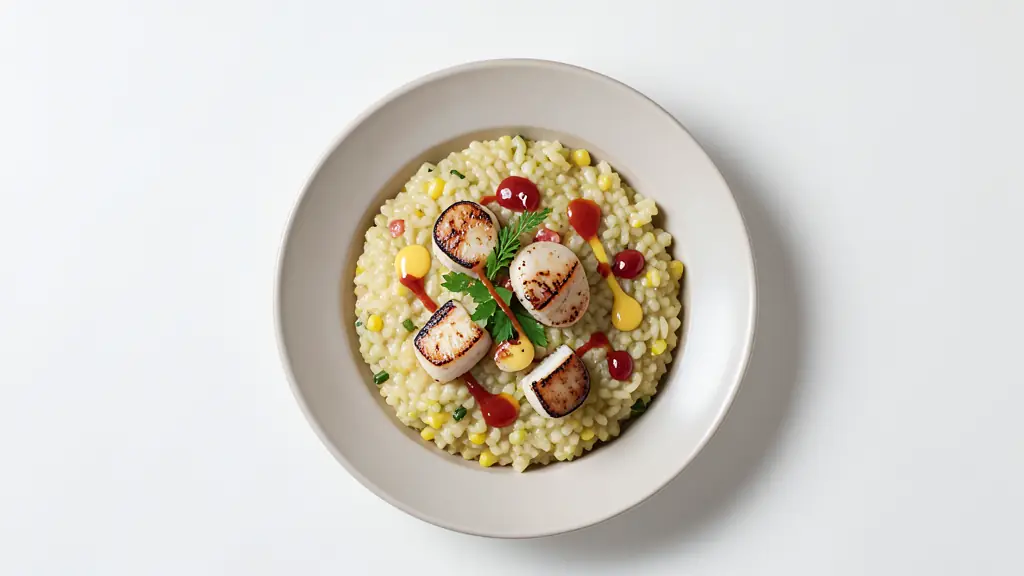
* Main Course: Creamy corn risotto topped with pan-seared scallops and a drizzle of saffron-infused brown butter, emphasizing a « golden hour » glow.
* Dessert: Passion fruit mousse layered with a mango coulis and topped with a single, gold-leafed raspberry for a touch of luxury.
When assembling these dishes, the focus should be on the « glow » of the ingredients. The interplay between the creamy yellow of the risotto and the seared gold of the scallops creates a monochromatic sophistication that justifies premium pricing.
Visual Strategy for Yellow-Centric Menus
In a commercial context, yellow is one of the most powerful colors for attracting attention. It is psychologically linked to happiness, warmth, and appetite stimulation, making it a strategic choice for delivery app thumbnails and social media feeds. However, the risk of « over-saturation » is high; too much yellow can appear artificial or overwhelming, which can inadvertently lower the perceived value of the dish.
To avoid this, the visual strategy must focus on tonal variance. Instead of using a single shade of yellow, blend pale creams, mustard golds, and bright lemons. This creates a professional, layered look that feels organic. When composing these images, consider applying a six-pass framework to color-centric composition to ensure the color drives the sale without distracting from the food’s texture.
The most critical step in ensuring a premium result is the use of complementary contrasts. To prevent the plate from looking monochromatic or « flat, » balance the yellow tones with deep, contrasting colors. Incorporating deep purples (such as radicchio or purple carrots) or forest greens (such as kale or micro-basil) creates a visual anchor. This contrast not only makes the yellow « pop » more vividly but also signals a level of culinary sophistication that separates a professional brand from a home kitchen.
FAQ
How do you build a cohesive yellow-themed menu without it looking artificial?
Focus on varying the shades—incorporate pale creams, deep ochres, and bright citrines. Use fresh herbs like parsley or mint as a contrast to make the yellow tones pop naturally.
Which yellow foods are best for high-end event catering?
Saffron-infused risottos, mango-based crudos, and gold-leaf desserts offer a sophisticated aesthetic that justifies premium pricing.
Envie d'aller plus loin ?
Laisse ton email, on te prévient dès qu'un nouvel article sort.