Photographie de portraits stylisme professionnel : le guide complet
Move beyond amateur shots. Discover how professional portrait and fashion styling photography transforms your image into a commercial asset.
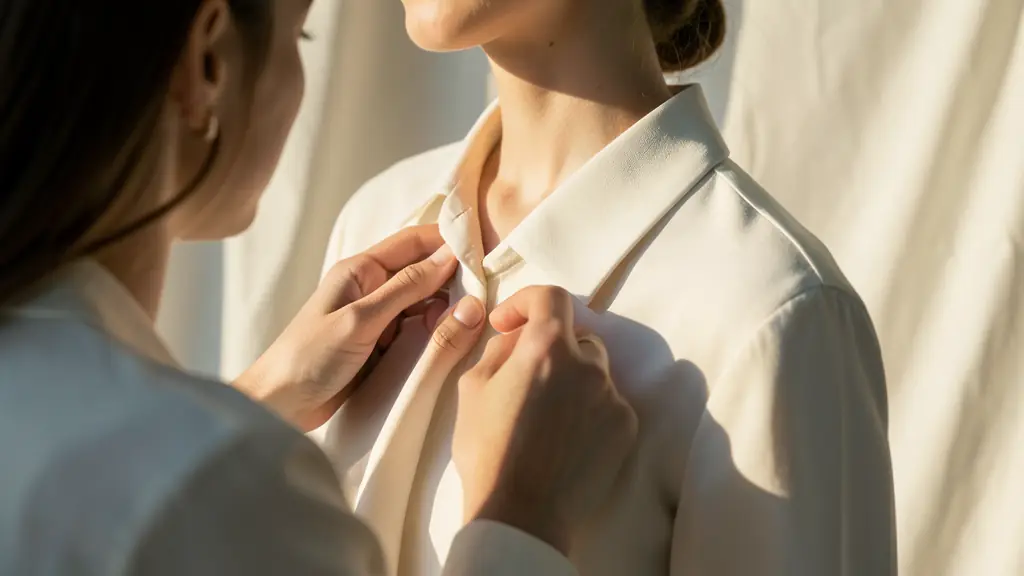
Professional portraiture and fashion styling differ fundamentally in intent: one captures the essence of a person, while the other sells a conceptual aesthetic. High-end sessions typically range from 350€ for a full studio experience to premium tailored packages, generally lasting one hour and delivering between 5 to 200 images depending on the tier. The final deliverable is a strategic asset, ranging from raw agency-compliant polas to a polished, retouched portfolio.
No time to read?
- Difference: Portraiture captures the person; fashion styling captures the aesthetic/brand.
- Workflow: Briefing → Styling/Makeup → Shooting → Selection → Retouching.
- Deliverables: High-resolution digital files (JPG/TIFF) with natural, non-excessive retouching.
- Investment: Costs vary by session length, number of looks, and inclusion of professional styling.
Professional Portrait vs. Fashion Styling: Defining the Visual Intent
The distinction between these two disciplines lies in the focal point of the lens. Portraiture is an exercise in psychology and personality; it seeks to reveal the subject’s character, mood, and authenticity. Conversely, fashion styling is a commercial endeavor where the subject serves as a canvas for the garment, the brand, and a specific creative vision. When engaging in photographie de portraits stylisme professionnel, the goal is to merge these two worlds, ensuring the subject’s presence enhances the clothing without overshadowing the brand’s narrative.
For those entering the industry, the primary objective is often the creation of a model book photography portfolio. This « book » is the industry standard for agencies, acting as a visual resume that proves a talent’s versatility. Unlike a casual gallery, a professional book must demonstrate a range of expressions, poses, and styles that signal to a casting director that the talent is a viable commercial asset.
The Technical Gap: Why a Smartphone Cannot Replace Studio Mastery
The common misconception that modern smartphone sensors are « good enough » ignores the fundamental physics of light and optics. A professional plateau photo professionnel is not defined by the camera alone, but by the mastery of light shaping. Studio lighting allows a photographer to sculpt the face, define jawlines, and manage skin texture with a precision that software cannot emulate. Poor lighting mastery leads to inconsistent results, often resulting in flat images that fail to convey the luxury or depth required for high-end branding.
Beyond lighting, high-end optics provide compression and sharpness that eliminate the distortion common in wide-angle mobile lenses. This technical precision is what justifies the fashion photoshoot cost, as it transforms a simple image into a commercial tool. Investing in commercial studio photography authority ensures that the visual identity is cohesive, exploitable, and capable of attracting premium corporate partnerships.
Anatomy of a Professional Photoshoot Session
A high-end production is a choreographed sequence of events designed to maximize efficiency and creative output. The process begins long before the shutter clicks, starting with a rigorous creative briefing where the direction artistique is established, defining the mood, color palette, and intended use of the images.
The workflow typically follows this progression:
* Briefing: Aligning the vision between the photographer, the talent, and the client.
* Styling and Beauty: A dedicated phase for professional styling and makeup, often lasting 30 minutes, to ensure the skin is matte and the look is polished for high-resolution sensors.
* Active Shooting: The execution phase, involving the calibration of lighting (natural vs. artificial) and the coaching of the talent to achieve the desired poses.
* Collaborative Debrief: A 30-minute session to review the raw captures and select the frames that will move into post-production.
* Post-Production: The technical phase involving colorimetric retouching and final formatting.
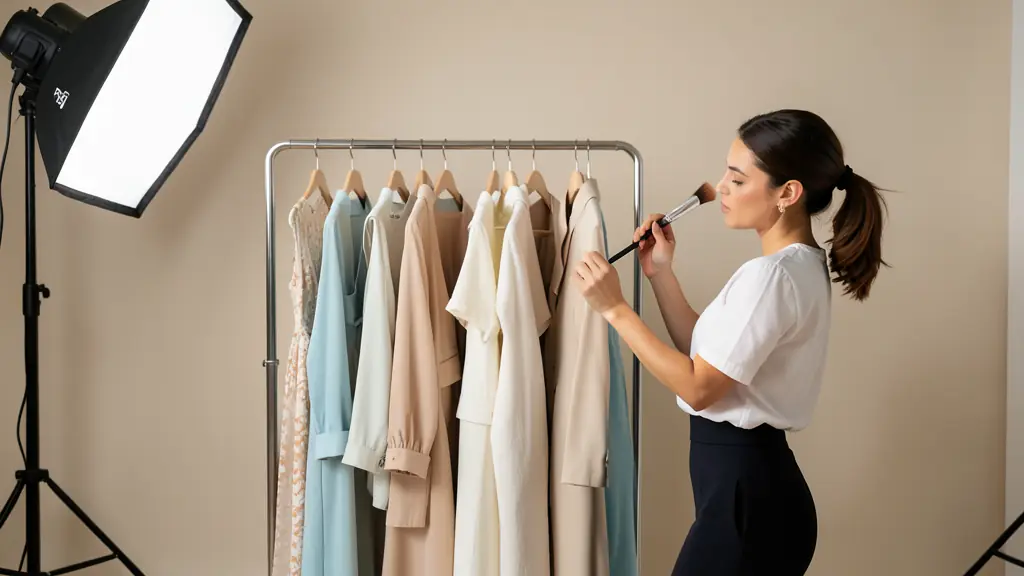
Defining the Talent: Model vs. Mannequin
In the commercial world, the terms « model » and « mannequin » are often used interchangeably, but they serve different functions. A commercial model is personality-driven; they are hired to evoke emotion, tell a story, or represent a lifestyle. This is where editorial portraiture thrives, focusing on the intersection of human expression and brand storytelling. This approach is essential for actors, influencers, and corporate professionals who need to project authority or relatability.
A professional mannequin, however, is aesthetic-driven. Their role is to showcase the architecture of the clothing, emphasizing fit, drape, and movement. While the model sells the « dream » or the « feeling, » the mannequin sells the « product. » Understanding this distinction is critical when building a book comédien or a professional portfolio, as the posing and lighting requirements differ based on whether the goal is to highlight a face or a silhouette.
Deliverables: Retouching, Formats, and Rights
Professional post-production operates on the philosophy of correction over transformation. The goal of retouche colorimétrique is to enhance the natural beauty of the shot, correcting white balance, adjusting contrast, and removing temporary blemishes without altering the subject’s permanent features. Over-processing is a common reason for agency rejection, as casting directors require an honest representation of the talent.
When delivering casting photos, the industry demands specific formats to ensure versatility across digital and print media. Typical deliverables include:
* High-Resolution JPGs: For digital portfolios and social media.
* TIFF Files: Uncompressed formats used for large-scale printing.
* Composite Cards: A specialized casting business card featuring a headshot and a variety of full-body looks.
* Polas: Raw, unedited « polaroids » that provide an unfiltered view of the talent’s current look.
Usage rights are equally important. Professional contracts clearly define where the images can be used (e.g., social media, billboards, or agency websites) to protect both the photographer’s intellectual property and the client’s brand.
Comparing Professional Photography Packages
Choosing the right package depends entirely on the intended commercial outcome. A beginner looking for agency representation requires a different set of deliverables than an established professional updating their personal branding.
| Package Tier | Duration | Key Deliverables | Best Use Case |
|---|---|---|---|
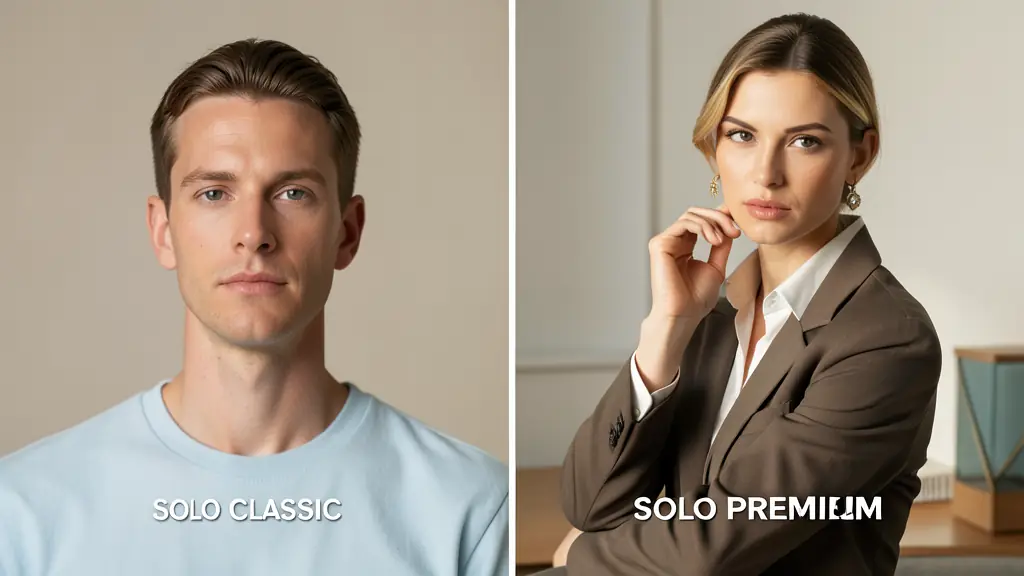
| Solo Classic | 1 Hour | 5 digital photos, 5 prints (15×23) | Entry-level portfolios, simple headshots |
| Solo Premium | 1 Hour | All digital photos, 24 prints (20×30), photo book, professional makeup | High-end personal branding, actor books |
| Fashion Studio | 1 Hour | 100 to 200 delivered images, full studio access | Commercial campaigns, agency-grade books |
Investment Guide: What Influences the Final Cost
The cost of a professional shoot is a reflection of the resources deployed to ensure a high conversion rate. A basic session may cost 350€, but several variables can scale this investment. Studio rental is a primary driver, as the availability of a dedicated plateau photo with modular backdrops, mirrors, and clothing racks adds significant value to the production.
Additional costs typically stem from:
* Specialized Talent: The inclusion of a professional makeup artist or stylist.
* Volume of Looks: More outfit changes require more time for lighting recalibration and posing adjustments.
* Post-Production Complexity: Deep colorimetric retouching or the creation of a composite card requires more labor hours than a standard color correction.
* Deliverable Volume: Moving from a selection of 5 images to a full gallery of 200 images increases the data management and processing time.
The Client’s Checklist: Preparing for the Set
To maximize the return on investment during a one-hour session, preparation must be meticulous. The efficiency of the shoot depends on the synergy between the talent and the creative team; any hesitation in wardrobe or styling directly reduces the number of viable frames captured.
To ensure a seamless experience, follow these guidelines:
* Curate Multiple Looks: Bring a variety of outfits that span different styles (e.g., casual, formal, edgy) to demonstrate versatility.
* Coordinate Wardrobe: Ensure clothes are steamed and free of wrinkles, as these details are magnified in high-resolution photography.
* Timing is Critical: Arrive exactly on time to allow the 30-minute makeup and styling window to function without cutting into the shooting time.
* Clear Communication: Share your moodboard and specific expectations with the photographer during the briefing to align the direction artistique.
* Skin Preparation: Maintain hydrated skin and arrive with a clean face to provide a neutral canvas for the makeup artist.
To ensure your imagery remains a timeless business asset, curate your moodboard based on the psychology of your target audience rather than fleeting social media trends. Visuals rooted in audience desire, rather than temporary fads, provide a sustainable competitive edge.
FAQ
How long does a professional photoshoot session typically last?
Depending on the package and number of looks, a session can last from 2 to 8 hours. This includes time for makeup, wardrobe changes, and the actual shooting process.
What is a composite card and do I need one?
A composite card (or comp card) is a professional business card for models featuring their best shots and physical statistics. It is essential for agency submissions and casting calls.
Is makeup and styling always included in the session?
It depends on the package. Premium tiers usually include a professional MUA (Makeup Artist) and stylist, while basic packages may require the client to handle their own grooming.
Envie d'aller plus loin ?
Laisse ton email, on te prévient dès qu'un nouvel article sort.