The Professional Photoshoot T-Shirt: From Creator Gear to Commercial Imagery
Master the dual world of the photoshoot t-shirt: high-performance apparel for photographers and high-conversion imagery for clothing brands.
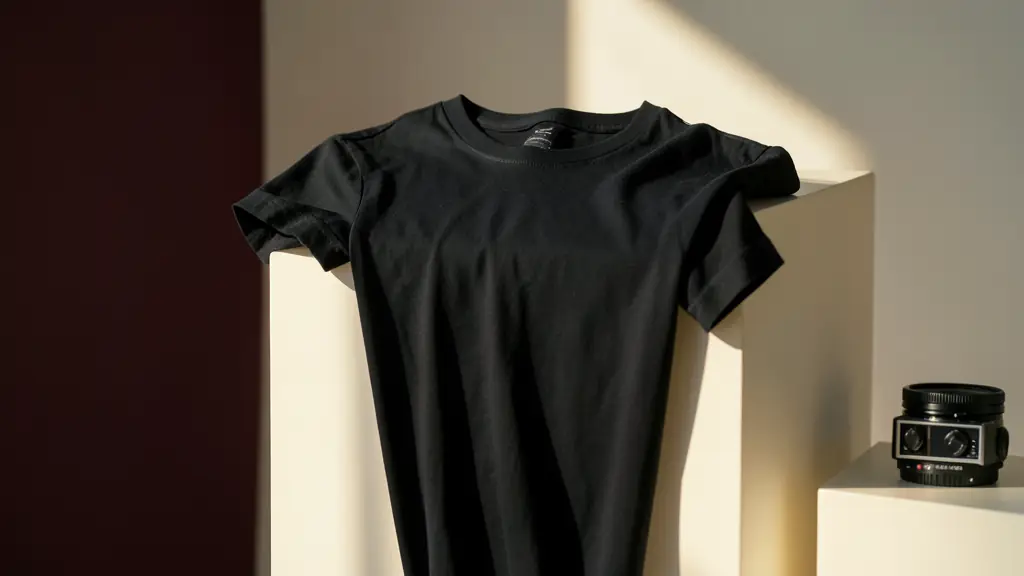
A photoshoot t shirt represents a dual necessity in the creative industry: it is both the high-performance gear worn by the artist to endure the rigors of a set and the central subject of a commercial catalog designed to drive sales. Mastering both the apparel and the imagery is what separates amateur output from a polished, professional brand identity.
No time to read?
- Distinguish between apparel for the photographer and photography of the product.
- Prioritize breathability and durability for on-set gear.
- Use a mix of flat lays, ghost mannequins, and lifestyle shots for e-commerce.
- Focus on textural close-ups to build buyer trust and justify pricing.
Defining the ‘Photoshoot T-Shirt’: Apparel vs. Imagery
When navigating the intersection of fashion and commercial production, a critical distinction must be made between the tool and the product. On one hand, there is the functional attire required by the creator to maintain peak performance during grueling production hours. On the other, there is the rigorous technical process of e-commerce clothing photography, where the garment is treated as a sculptural object that must communicate quality, fit, and desire to a remote buyer.
Both elements are indispensable. A photographer who is physically uncomfortable or dressed inappropriately for the environment cannot focus on the precision required for high-end imagery. Conversely, a brand that fails to execute a structured visual strategy for its apparel will struggle to justify premium pricing, regardless of the garment’s actual quality. The goal is to align the professionalism of the creator with the sophistication of the final image.
The Photographer’s Uniform: Comfort and Durability for the Set
The demands of long photoshoot days require more than just casual wear; they require a uniform that balances utility with a creative professional aesthetic. A photographer is often in a state of constant motion, crouching for low angles or reaching across lighting rigs, which puts significant stress on clothing.
To maintain authority on set and physical agility, the ideal creator apparel focuses on several technical pillars:
- Breathability and Material: High-quality organic cotton (such as 100% GOTS and Fairtrade certified options) ensures moisture management during high-intensity shoots, preventing overheating under heavy studio lighting.
- Structural Integrity: Reinforced seams are non-negotiable to prevent tearing when hauling gear or navigating tight studio spaces.
- Visual Neutrality: Professional attire often leans toward muted tones to avoid reflecting unwanted colors onto the subject, though creative branding can signal industry expertise.
- Print Longevity: Water-based, fade-resistant prints ensure that the garment remains a professional asset over years of wear, rather than a disposable piece of clothing.
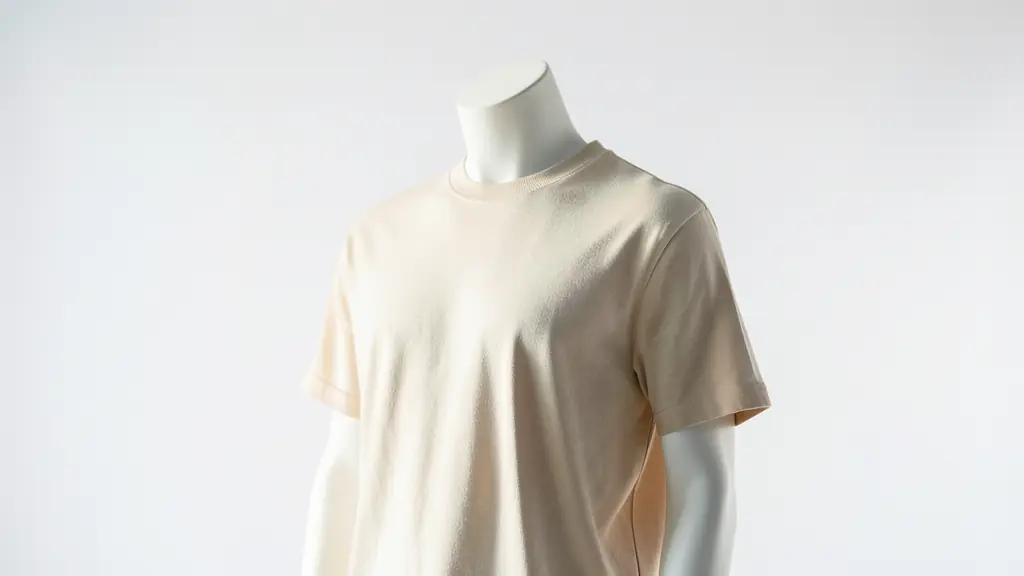
While the creator focuses on these tactile needs, the ultimate goal of the production is often to achieve a seamless ghost mannequin effect for the client, where the clothing appears to be worn by an invisible form, emphasizing the fit without the distraction of a physical model.
Professional T-Shirt Photography: Essential E-commerce Formats
Executing a successful commercial catalog requires a taxonomy of shots. Each format serves a specific psychological purpose in the customer journey, moving the buyer from initial attraction to a confident purchase. Using the right photographer apparel to handle these various setups is the first step, but the technical execution of the shot is where the conversion happens.
The following table outlines the primary formats used in high-end e-commerce:
| Format | Technical Execution | Primary Goal | Visual Impact |
|---|---|---|---|
| Flat Lay | Top-down, carefully styled on a flat surface | Compositional precision | Organized, architectural |
| Ghost Mannequin | 3D form with neck/arms edited out | Structural accuracy | Realistic fit, clean |
| Pinned Display | Mannequin with clips for tailored fit | Natural drape | High-end, bespoke look |
| Hanged Display | Natural hang on a premium hanger | Effortless vibe | Casual, accessible |
| Close-ups | Macro lens, shallow depth of field | Textural detail | Tactile reassurance |
| Group Compositions | Multiple colors or styles in one frame | Palette variety | Visual abundance |
To achieve these results, lighting is the most critical variable. Side lighting is employed to create depth and emphasize the weave of the fabric, while flat lighting is used to ensure color accuracy and a clean, commercial look across the entire garment.
Elevating the Brand: Lifestyle and Creative Presentation
While studio shots provide the necessary data for a purchase, lifestyle imagery provides the emotional catalyst. The contrast between a sterile white background and a real-world environment is what transforms a commodity into a brand. By integrating various product photo formats, a company can tell a story of aspiration and utility.
Lifestyle model shots move the garment into the wild, showcasing how the fabric moves, breathes, and interacts with the human form in authentic scenarios. Whether it is a high-energy urban setting or a serene nature backdrop, these images allow the customer to project themselves into the brand’s world.
For brands seeking a more avant-garde approach, creative tools such as green screens and digital mockups allow for dynamic backdrops that can be updated seasonally without the cost of a new location shoot. This flexibility ensures that the visual identity remains fresh and aligned with current trends while maintaining a consistent core aesthetic.

Conversion Drivers: Trust Signals in Clothing Visuals
In the digital marketplace, the customer cannot touch the fabric or try on the garment. Therefore, the imagery must act as a surrogate for the physical experience. Incorporating specific clothing trust signals is the most effective way to reduce purchase anxiety and increase conversion rates.
When buyers scrutinize a product detail page, they are looking for markers of quality that justify the price point. To optimize this, the photography must highlight:
- Fabric Grain: High-resolution close-ups that reveal the weave of the organic cotton, signaling breathability and softness.
- Stitching Quality: Detailed shots of reinforced seams and necklines to prove durability and craftsmanship.
- Color Fidelity: Precise color grading to ensure the product delivered matches the image on screen, reducing return rates.
- Certification Markers: Visual cues or integrated graphics that highlight GOTS and Fairtrade certifications.
Integrating these elements requires a strategic approach to production. For those scaling their visual identity, understanding the nuances of planning and licensing a commercial shoot is essential to ensure that every asset produced serves a specific business goal. By combining technical precision with emotional storytelling, a brand can move beyond simple product listings and create a compelling visual narrative that drives growth.
FAQ
When should I use a ghost mannequin versus a flat lay?
Use a ghost mannequin when the fit and 3D shape of the T-shirt are primary selling points. Flat lays are better for minimalist, artistic compositions or when showcasing the shirt as part of a curated outfit ensemble.
What material certifications should be highlighted in product photos?
Visual cues for GOTS-certified organic cotton or OEKO-TEX standards should be paired with macro shots of the fabric grain and official certification tags to validate premium quality claims.
Envie d'aller plus loin ?
Laisse ton email, on te prévient dès qu'un nouvel article sort.