Food Styling Job: 7 Steps to Get Hired on Set
Learn what food stylists do, which skills clients value, how to build a portfolio, find paid work, and assess offers without guessing at rates.
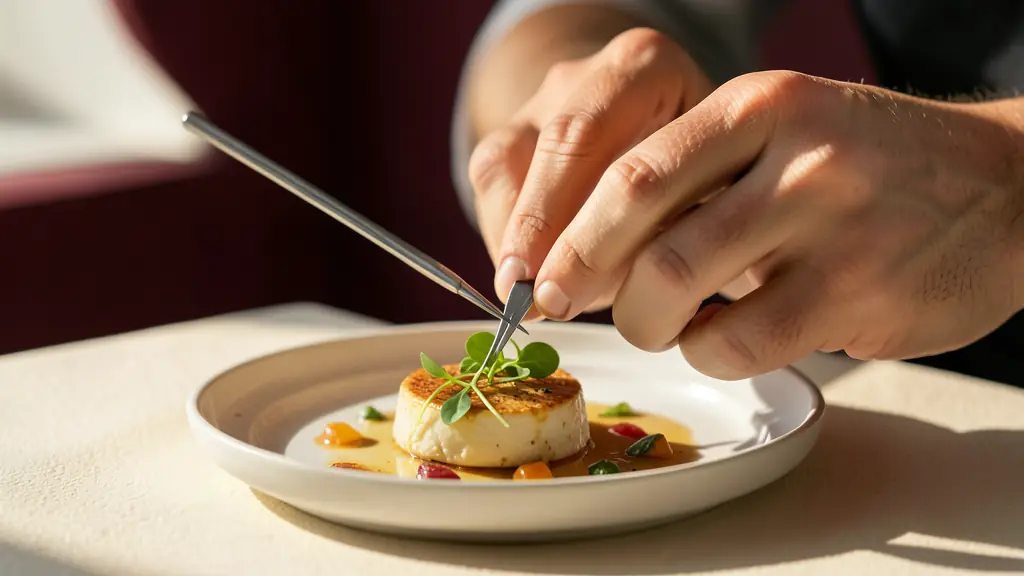
Getting hired requires more than beautiful plating. Build production-ready skills, prove them through a focused portfolio, develop credible industry relationships, and evaluate every brief as both a creative assignment and a commercial agreement.
No time to read?
- A food stylist prepares, maintains, and refines food so it communicates freshness, texture, and brand value on camera.
- There is no single mandatory credential, but culinary control, visual judgment, set discipline, and a specialized portfolio are essential.
- Job titles, employment structures, and compensation vary by market, production type, experience, and usage requirements.
- The practical first step is to create a tightly edited test shoot that demonstrates consistency from preparation through final frame.
What does a food stylist actually do on a commercial set?
A food styling job translates a creative brief into camera-ready food while preserving its intended color, texture, structure, and appetite appeal. The stylist prepares ingredients, builds hero plates, maintains continuity between frames, and collaborates with photographers, art directors, producers, and clients. ScreenSkills and Prospects describe this food stylist career broadly, but its duties vary across advertising, packaging, editorial, and video productions.
Accessed October 11, 2026: the ScreenSkills food stylist career profile and Prospects food stylist job profile both present styling as a combination of culinary preparation, visual execution, and production collaboration.
On set, that responsibility usually includes:
- Interpreting layouts, shot lists, recipes, and brand standards
- Selecting ingredients for visual performance, not simply taste
- Preparing duplicates for resets and continuity
- Adjusting food under changing light, temperature, and camera angles
- Communicating timing and limitations before they disrupt production
A disciplined camera-ready food styling workflow turns these tasks into repeatable production value.
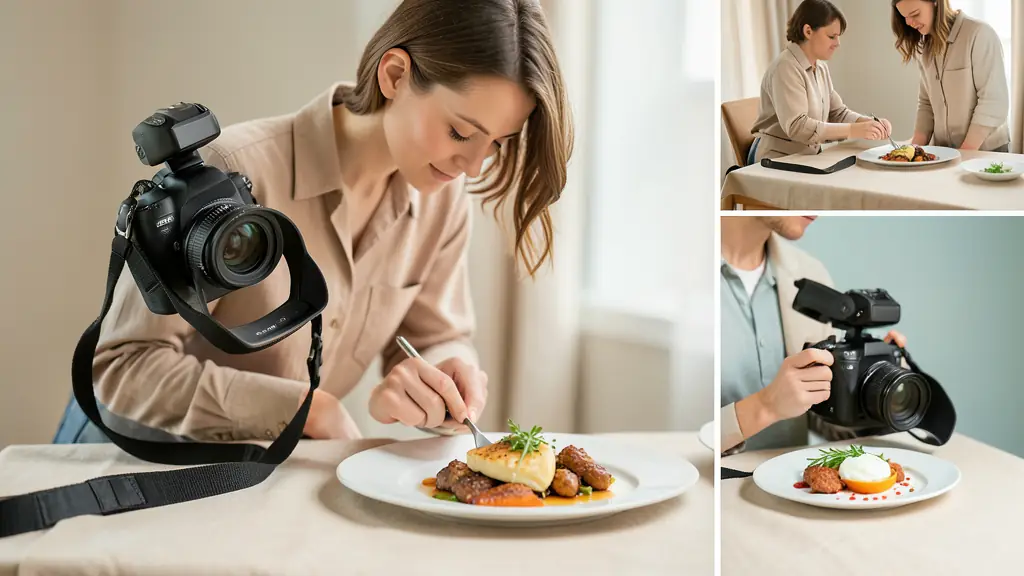
Which skills make a stylist valuable to clients?
A sustainable food stylist career combines culinary control with visual judgment and dependable set behavior. Clients need someone who can create desire without compromising sanitation, continuity, timing, or the brief.
The essential capabilities are:
- Cooking and ingredient manipulation
- Composition, proportion, and color control
- Sanitation and temperature awareness
- Inventory planning and duplicate preparation
- Clear communication across creative departments
- Calm troubleshooting under production pressure
A striking food styling portfolio may open a conversation. Repeatable, brief-led execution earns trust, referrals, and larger responsibilities. Experimentation matters only when it remains controllable enough to reproduce across multiple frames, formats, or takes.
Which career route offers the strongest entry point?
There is no guaranteed route into work as a commercial food stylist. Assisting provides the clearest exposure to set protocol, while test kitchens and culinary media build recipe discipline. Restaurant kitchens develop speed and ingredient knowledge, but not necessarily camera awareness. Independent test shoots can fill that gap when they are planned to commercial standards.
October 11, 2026: no single entry route guarantees paid assignments. Clients still require relevant evidence, production readiness, and reliable execution.
| Entry route | Evidence clients expect | Commercial advantage | Principal limitation |
|---|---|---|---|
| Assisting an established stylist | Set credits, references, continuity experience | Direct knowledge of professional workflows | Limited creative ownership at first |
| Test kitchen or culinary media | Recipe testing, repeatability, editorial work | Strong process and ingredient discipline | May offer limited advertising exposure |
| Restaurant kitchen | Culinary training, speed, product knowledge | Confident preparation under pressure | Portfolio may lack camera-led work |
| Independent test shoots | Finished campaigns and process documentation | Control over specialty and presentation | Requires strong collaborators and self-direction |
How do you build a portfolio that wins commercial briefs?
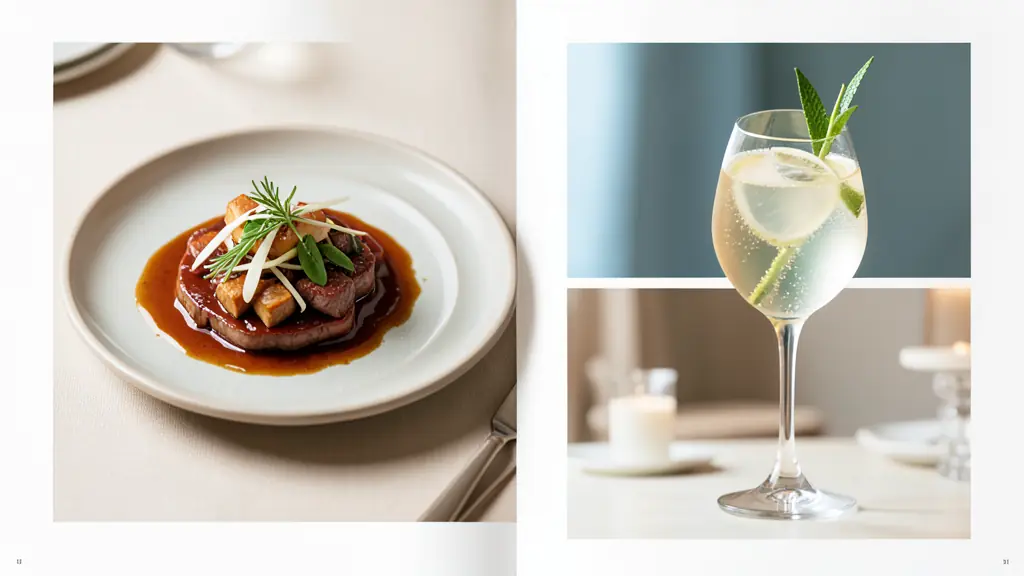
A persuasive food styling portfolio should feel like a controlled body of commercial evidence, not a gallery of unrelated favorites. Build complete visual stories that prove you can protect ingredient integrity while adapting the same concept for different placements.
Include:
- Texture-rich hero images with credible freshness
- Beverage scenes showing condensation, clarity, foam, or sparkle
- Matching frames that demonstrate continuity
- Overhead, packaging, hero, and motion-ready compositions
- Before-and-after examples that reveal your decisions
- Clear attribution for styling, photography, retouching, and art direction
Edit ruthlessly. Ten relevant images are more useful than thirty inconsistent ones. Do not let speculation about food stylist salary determine your presentation. Let the quality, repeatability, and commercial relevance of the work establish your positioning.
Where can you find legitimate food styling opportunities?
Professional opportunities often develop through relationships rather than broad job listings. Study the business purpose of commercial photography before approaching prospects, then show how your styling supports their clients, production model, and visual category.
Build targeted connections with:
- Food and beverage photographers
- Commercial studios and producers
- Advertising and creative agencies
- Production companies
- Restaurant, hospitality, and packaged-goods brands
- Editorial teams and professional directories
- Established stylists who may need assistants
A commercial food stylist should research every prospect, tailor the portfolio, and define the production value offered. Avoid vague mass applications. A concise message tied to a recognizable need demonstrates better judgment than generic enthusiasm.
How should you evaluate pay, scope, and production terms?
No universal food stylist salary or day rate can be promised. Reliable public data does not consistently isolate food styling as its own occupation. The U.S. Bureau of Labor Statistics May 2024 occupational data can provide broader culinary context, but it should not be presented as a direct benchmark for specialist styling work.
May 2024: U.S. Bureau of Labor Statistics occupational data offers broader culinary context rather than a dedicated compensation measure for food stylists.
Before quoting, confirm:
- Prep days and shoot hours
- Ingredient purchasing and sourcing
- Assistants and specialist support
- Travel and location requirements
- Overtime terms
- Deliverables and production formats
- Usage expectations
- Cancellation conditions
- Expense reimbursement
Use the same discipline applied to commercial shoot planning, pricing, and licensing. Separate labor, materials, assistants, travel, and additional hours so the client can see precisely what the production requires.
What should your first 30 days look like?
Treat the first month as a professional-readiness sprint, not a race for instant booking volume.
- Choose a commercially viable specialty
- Study current campaigns in that category
- Plan one tightly controlled test shoot
- Collaborate with a qualified food photographer
- Document preparation, continuity, and final execution
- Edit the results into a concise portfolio story
- Request informed feedback from working creatives
- Contact a short list of relevant production partners
The first measurable outcome is consistency: a defined visual position, credible evidence of your process, and materials ready for a serious production conversation.
FAQ
Do food stylists need culinary school training?
Not always. Culinary education can strengthen ingredient knowledge and speed, but clients primarily assess portfolio quality, reliability, problem-solving, and performance under production pressure.
Can a food photographer also work as a food stylist?
Yes, particularly on smaller productions, but major commercial sets often separate the roles so each specialist can maintain consistent quality and efficiency.
Where do food stylists find paid work?
Common channels include photographers, production studios, creative agencies, restaurant groups, food brands, editorial teams, professional referrals, and specialist representation.
How long does it take to become a professional food stylist?
There is no standard timeline. Progress depends on existing culinary skills, portfolio strength, assisting experience, market access, and the quality of professional relationships.
Envie d'aller plus loin ?
Laisse ton email, on te prévient dès qu'un nouvel article sort.