Food Styling Jobs: What the Role Requires and How to Get Hired
Learn what food stylists do, whether a degree matters, how to build a portfolio without clients, and where to pursue paid opportunities.
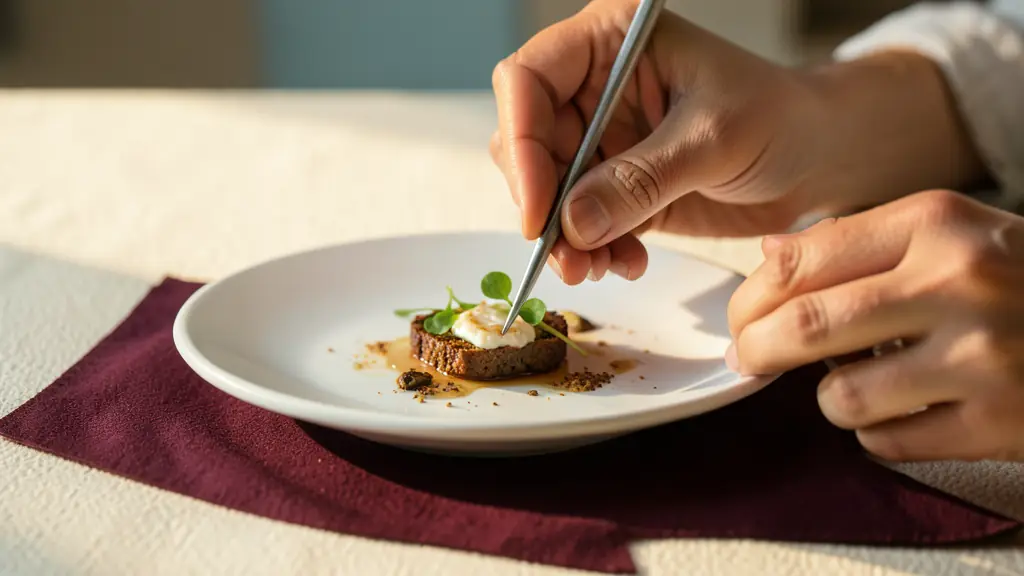
Food stylists shape food for the camera, they do not simply photograph it. A degree is optional, but a focused Portfolio is not, and many food styling jobs circulate through production networks rather than conventional listings. Produce one tightly briefed test shoot now, while recognizing that qualifications, hiring practices, and availability vary by employer and market.
No time to read?
- A food stylist prepares, builds, and maintains food specifically for still photography, video, packaging, menus, and advertising.
- A degree is not universally required, but a focused portfolio and reliable on-set skills are essential.
- Mock commercial briefs can produce credible portfolio work before the first professional client.
- Listings are only one route; assisting, referrals, and relationships with photographers and producers drive much of the freelance market.
The Job Is to Control Appetite, Continuity, and the Clock
A Food Stylist translates a commercial brief into food that communicates instantly on camera. Before the shoot, that means interpreting the desired audience, mood, framing, usage, and brand standards. It also means sourcing ingredients for visual performance, testing how preparations behave under lights, organizing backups, and anticipating the moment when gloss fades, herbs wilt, foam collapses, or a sauce loses its ideal consistency.
On set, the stylist builds the hero plate, the version intended for the final frame. Every component is placed with purpose: the angle of a cut surface, the distribution of color, the visible texture of a crust, and the controlled irregularity that makes food feel crafted rather than manufactured. A well-prepared Food Styling Kit may include precision tools, brushes, droppers, tweezers, knives, cloths, small vessels, and ingredients reserved for rapid corrections.
The photographer controls exposure, lens choice, perspective, and capture. The stylist controls how the food responds to those decisions. When the camera moves lower, the visible edge of a garnish may need to rise. When a highlight reveals excess oil, the surface must be corrected. When an art director requests another composition, the stylist must rebuild it without losing the visual identity established in the approved frame. The camera-ready food styling workflow depends on this continuous exchange between food, light, lens, and commercial intent.
Continuity is equally important. If a campaign requires several angles, crops, or executions, ingredient position, portion size, sauce level, and surface condition must remain consistent. Reference images and duplicate preparations prevent small differences from becoming expensive problems during retouching or post-production.
Not every preparation remains edible. Some assignments require display-only techniques to preserve structure, surface, or position. Any food treated with nonfood materials, exposed beyond safe handling conditions, or prepared in a way that compromises food safety must be clearly separated, identified, and never served. That judgment is part of a professional food stylist career, not an optional precaution.
The result is appetite controlled under pressure: food that looks fresh at the exact moment the shutter fires, remains consistent across deliverables, and supports the campaign rather than distracting from it.
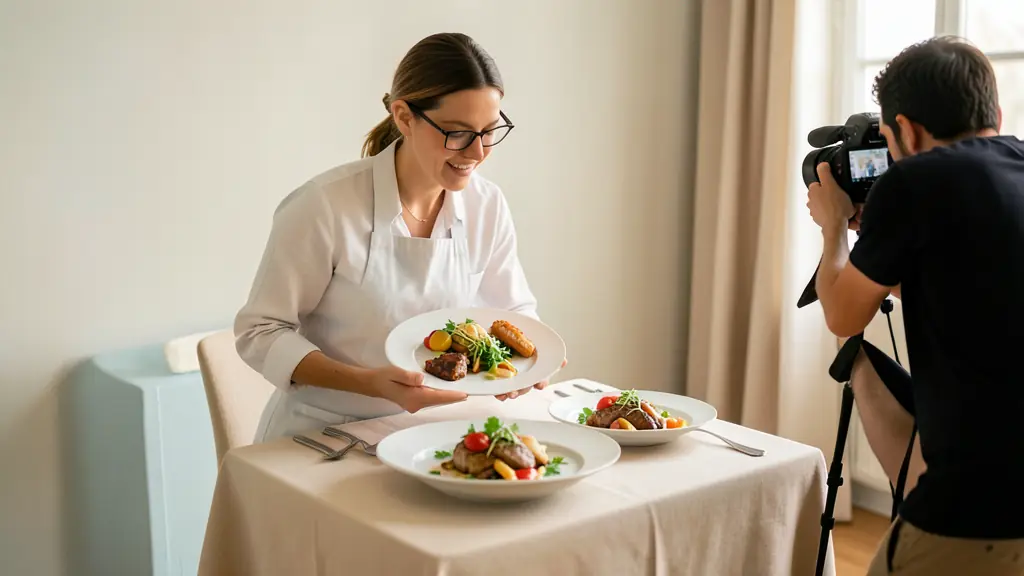
A Degree Is Optional; Production-Ready Evidence Is Not
There is no single mandatory educational route into food styling. Culinary school can develop knife skills, preparation discipline, ingredient knowledge, and food-safety judgment. Photography or design education can sharpen composition, color control, visual hierarchy, and fluency with creative briefs. Workshops provide concentrated exposure to specialist techniques, while assisting reveals how professional sets actually function.
Self-directed practice is also valid, provided it goes beyond making attractive dishes at home. Commercial Photography requires repeatability, collaboration, and decisions tied to a channel. A restaurant menu image, editorial feature, packaging composition, and social campaign may present the same product differently because each image has a different job.
Hiring teams need evidence that a candidate can:
• Anticipate how ingredients change during preparation and capture
• Handle food responsibly and distinguish edible work from display-only styling
• Build a composition that supports the product and brand
• Control color without making the food appear artificial
• Work quickly while protecting continuity
• Receive feedback without becoming defensive or losing focus
• Communicate clearly with the photographer, producer, art director, and client
• Follow a commercial brief rather than styling only to personal taste
Your food stylist portfolio should make those abilities visible. A polished image proves visual taste, but accompanying context proves judgment. State the objective, intended channel, constraints, and styling choices concisely. The strongest evidence shows not merely that the food looked beautiful, but that every decision served a defined commercial result.
Build a Client-Free Portfolio From Simulated Commercial Briefs
You do not need to wait for a paying client to create commercially relevant work. You do need to stop treating personal shoots as open-ended experiments. Build each project around a simulated assignment with the same discipline you would bring to a commissioned production.
Start by choosing one market category, such as farm-to-table dining, premium beverages, artisanal bakery, packaged foods, or hospitality. A narrow category gives the work visual coherence and helps a prospective client understand where you could fit.
Then create a mock brief that defines the product, audience, channel, mood, and intended action. “Style a cocktail” is not a brief. “Create a refined cocktail image for a seasonal bar campaign, emphasizing botanical freshness and premium glassware” gives the team a usable direction.
Develop the project in this order:
• Define the commercial objective and the audience response you want
• Specify the final channel, such as a menu, campaign landing page, social advertisement, or editorial feature
• Build a shot list covering the required compositions and crops
• Source ingredients, surfaces, vessels, and any Prop Styling elements that reinforce the concept
• Test preparations for color, structure, freshness, and stability
• Style restrained variations rather than changing the visual language completely between frames
• Collaborate with a capable photographer who understands lighting, perspective, and tethered evaluation
• Select and sequence only the images that support the original brief
• Add concise notes explaining the objective, constraints, and styling decisions
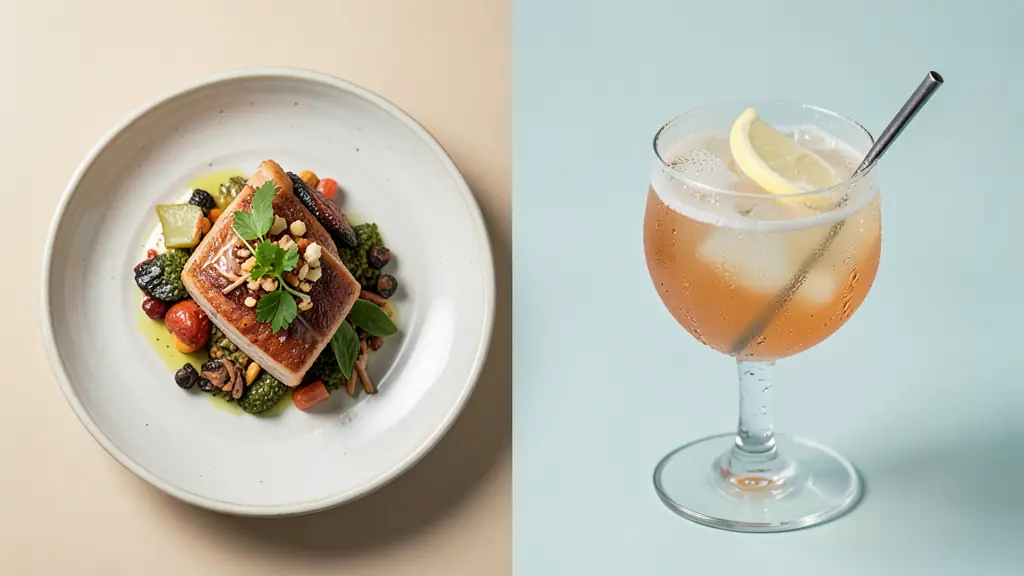
Aim for useful range within a consistent visual system. Include a hero dish, an overhead composition, an ingredient detail, and either a beverage or another motion-sensitive subject. The beverage might require controlled condensation, bubbles, a clean liquid line, or precisely timed pouring. These frames demonstrate that you can manage fragile visual cues rather than relying only on static plating.
Consistency matters more than volume. A small body of work with disciplined color, credible texture, and clear commercial intent is more persuasive than a large collection of unrelated images. It also gives an established stylist a reason to consider you for an assistant food stylist position, where preparation, organization, continuity, and set awareness often matter as much as an individual signature.
Four Career Routes Lead to Different Kinds of Work
The main food styling career paths differ in access, rhythm, responsibility, and creative control. None is universally superior. The right route depends on whether you need structured learning, production access, steadier brand immersion, or greater independence.
| Route | Typical entry point | Work pattern | Portfolio expectation | Creative control | Central trade-off |
|---|---|---|---|---|---|
| Freelance styling | Direct outreach, referrals, assisting credits, or commissioned test work | Project-based and variable | A focused commercial edit relevant to the client category | Often high, within the brief and approval structure | Independence comes with responsibility for outreach, estimating, preparation, and scheduling |
| Assisting an established stylist | Targeted introduction, referral, or production contact | Shoot-based support across prep and set work | Evidence of organization, food judgment, and visual awareness | Limited initially, with strong learning potential | Less authorship in exchange for practical training and trusted-set access |
| In-house brand or test-kitchen work | Brand career pages, publishers, hospitality groups, or content studios | More consistent collaboration with one brand or portfolio of products | Work aligned with the employer’s audience, products, and channels | Shared with an internal Creative Director, marketing team, or content lead | Greater continuity in exchange for narrower brand parameters |
| Agency or production-company representation | Established body of work, industry relationships, and demonstrated set reliability | Bookings managed or influenced through a representative | Distinctive, proven work with commercial range | Varies by client and production | Access to established productions in exchange for less control over lead flow and commercial arrangements |
Assisting is often the strongest bridge between training and independent assignments because it exposes you to call sheets, prep schedules, approvals, equipment organization, client etiquette, and the pace of a working set. In-house roles can build deep category knowledge. Freelance work offers flexibility but requires consistent business development. Representation can expand access, although it does not replace the need for a credible body of work and reliable professional conduct.
Search Beyond the Exact Title “Food Stylist”
The role may be advertised under titles that emphasize culinary production, content, studio support, or a combination of food and props. Restricting a search to food stylist job listings can therefore conceal relevant entry points.
Monitor:
• General job boards and hospitality career platforms
• Restaurant groups, publishers, retailers, and media company career pages
• Food and beverage brand studios
• Commercial Photography and video production companies
• Creative agencies and artist-representation agencies
• Test kitchens and branded content teams
• Professional associations and their job resources
• Local production communities, studio networks, and industry groups
Expand search terms to include assistant food stylist, culinary producer, food content specialist, test kitchen assistant, prop and food stylist, studio culinary assistant, culinary content producer, and food styling assistant. Read the responsibilities rather than judging a role solely by its title.
Some positions will prioritize recipe development or kitchen operations. Others will combine styling with Prop Styling, sourcing, production coordination, or content planning. Compare the actual duties with the experience you want to build.
Freelance assignments are frequently filled through referrals among photographers, producers, stylists, and creative teams. A producer may contact someone whose reliability has already been observed rather than publish an open listing. No single employment site captures that market, so visible, professional participation in the production network is part of the search itself.
Turn Each Application Into Proof You Can Handle a Set
An application should reduce uncertainty. The recipient needs to see what you can style, whether your work fits the assignment, where you are available, and whether you understand professional production.
Prepare a concise package containing:
• A role-specific portfolio edit, not a generic archive
• A short résumé focused on culinary, styling, production, or visual experience
• Your location, availability, and realistic travel range
• Relevant culinary training, food-safety knowledge, or kitchen experience
• Clearly identified assisting and collaborative credits
• A direct Client Pitch connected to the recipient’s work
• Reliable contact information and a clean link to the selected images
Tailor the image edit to the opportunity. A beverage photographer should not have to search through unrelated bakery work to find one relevant frame. A brand studio should see that you can maintain consistency across a campaign, not only produce a single dramatic image.
When contacting photographers, producers, or creative directors, keep the message specific. Identify the category you style, explain why your work is relevant to their productions, and state whether you are seeking assisting opportunities, independent commissions, or both. Mention practical value you can provide, such as ingredient sourcing, prep support, continuity management, or beverage resets. These seven practical steps for getting hired on set can help structure the approach.
Follow up professionally if there is no response, but do not create a sequence of repetitive messages. Production schedules change, and silence does not always indicate rejection. Remain visible by developing stronger work and sharing relevant updates only when there is something substantive to show.
Accuracy matters when describing collaborative shoots. Do not claim complete creative authorship if the concept, lighting, Prop Styling, or composition came from other team members. Credit the photographer and collaborators, then state precisely what you handled. Honest attribution signals that you understand set roles and can be trusted around clients.
The most productive next move is portfolio-first: choose one commercial category, create a three-image test assignment, and document the brief, constraints, and styling decisions. Send the finished mini-case study to a targeted group of photographers, producers, and creative teams whose work genuinely matches it, rather than waiting for the ideal listing to appear.
Envie d'aller plus loin ?
Laisse ton email, on te prévient dès qu'un nouvel article sort.