Photographs of Eggs: 12 Creative Setups That Work
Explore 12 egg-photo concepts and turn each one into a practical setup using deliberate lighting, composition, props, texture, and visual intent.
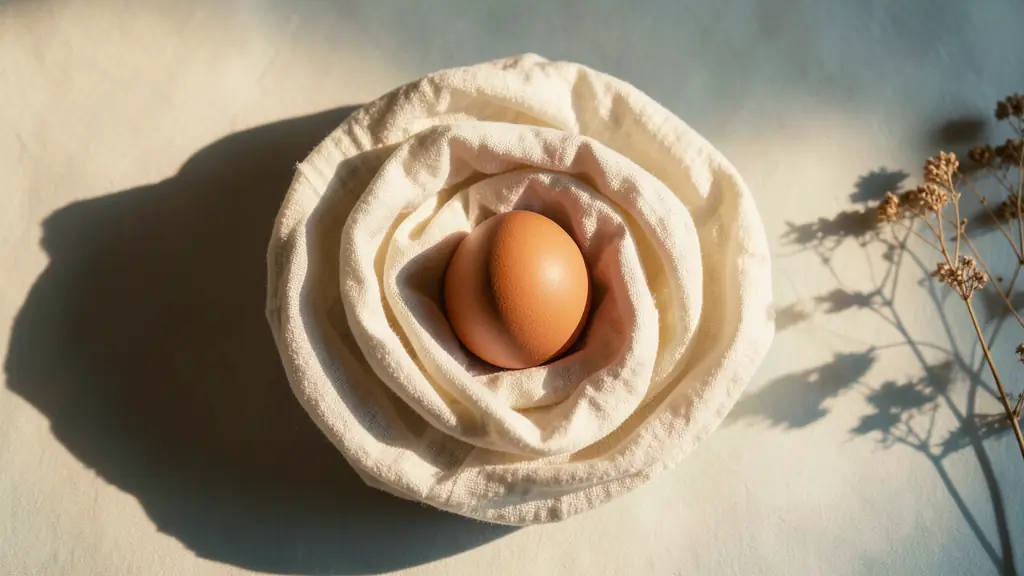
Natural still lifes, decorated eggs, macro details, nests, cooked dishes, and conceptual scenes offer the strongest visual directions. Start with one egg, one controlled light, and one intended image use. No single setup will suit every shell texture, campaign, or format, so treat the gallery below as a shoot-planning system rather than a collection of disconnected ideas.
No time to read?
- Soft side light is the most versatile starting point for revealing an egg’s curved form and shell texture.
- Natural, decorated, broken, cooked, humorous, and conceptual eggs each serve a different visual purpose.
- Nests and props work best when they establish context without competing with the egg.
- A strong shoot includes clean, close-up, and conceptual variations built for specific placements.
12 Photographs of Eggs, From Natural Still Life to Visual Punchline
The most effective photographs of eggs use the subject’s simplicity as an advantage. A smooth, symmetrical form makes small changes in lighting, color, position, and surface immediately visible. Pale shells can feel pristine or sculptural, brown eggs suggest warmth and provenance, while speckled eggs bring natural variation without additional decoration.
Eggs also carry layers of meaning. Across different cultures, they have been associated with hope, fertility, new life, wealth, and luck. Their role as artistic subjects stretches back centuries, with engraved ostrich eggs found in South Africa dating back 60,000 years. For a modern brand, that symbolic familiarity makes the egg an unusually versatile tool for visual storytelling.
Use these 12 setups as a working shortlist for creative egg photography:
-
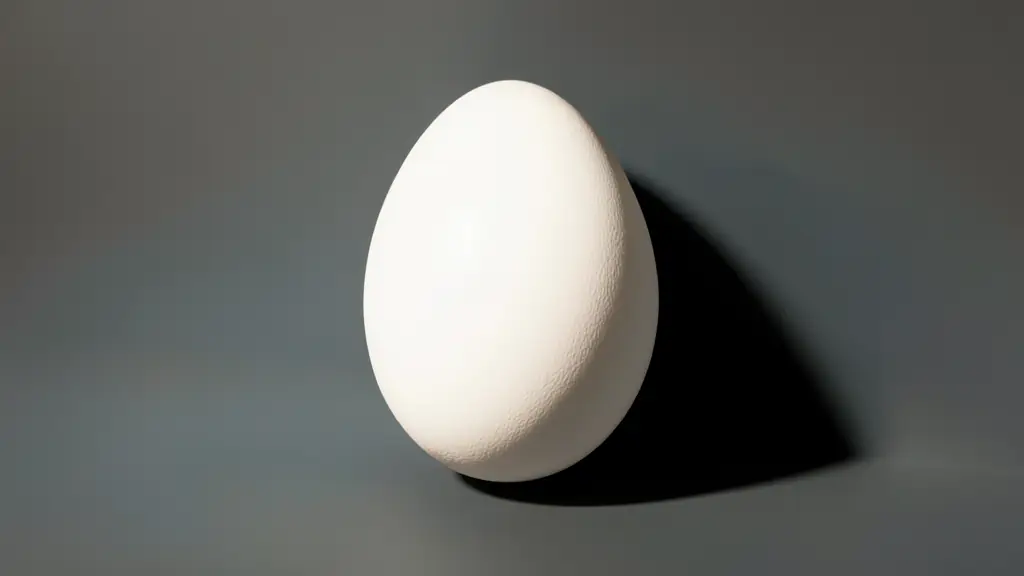
- White egg, white field: Place one clean white egg on a matte off-white surface. Use soft side lighting and carefully preserved edge contrast to create a minimal product-style portrait without losing the shell against the background.
-
- Brown egg tonal study: Arrange brown eggs on warm linen or unfinished wood. Keep the palette restrained so shell color, subtle imperfections, and farm provenance become the primary message.
-
- Naturally speckled collection: Collect eggs with varied marks, shades, and sizes, then arrange them in a loose grid. Overhead symmetry gives the differences visual structure while preserving an organic character.
-
- Dyed egg color story: Dye or decorate a small group using colors drawn from the brand palette. This is particularly effective for Easter campaigns, seasonal packaging, or editorial content in which color psychology must carry the frame.
-
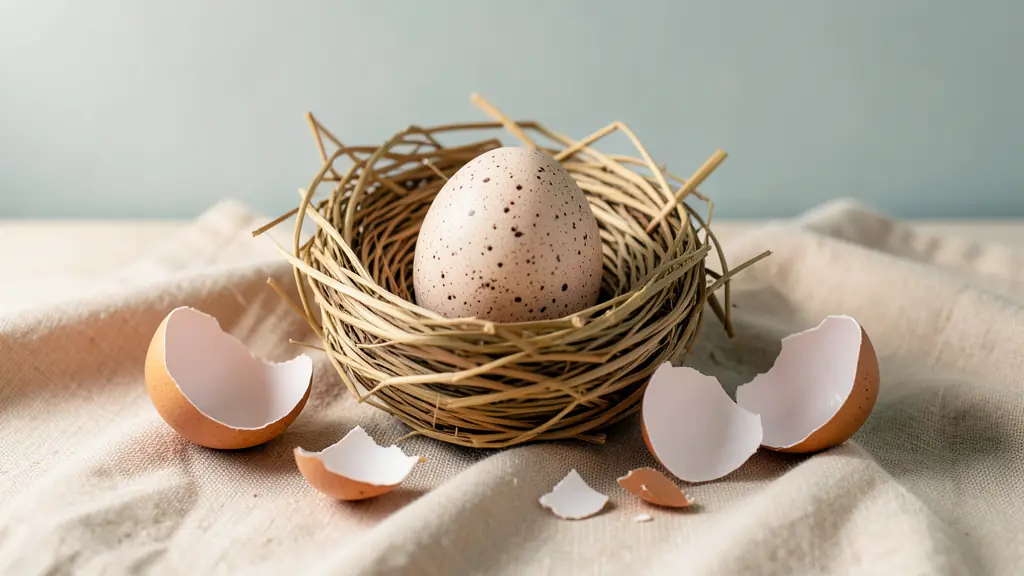
- Eggs in a nest: Photograph the eggs in a nest of straw, dried grass, or fine botanical material. A close crop creates intimacy, while a wider composition leaves room for packaging, copy, or campaign graphics.
-
- Broken shell still life: Split a shell into controlled fragments and place them around one intact egg. The contrast between complete and broken forms can suggest transformation, fragility, or preparation.
-
- Raw yolk and translucent white: Crack an egg onto a dark, nonporous surface and use grazing light to define the glossy yolk and nearly transparent white. This works best when freshness and ingredient quality are the commercial focus.
-
- Cooked egg appetite frame: Style a fried, poached, or soft-cooked egg with visible steam, crisp edges, seasoning, and a lustrous yolk. Use a three-quarter camera angle when the image needs to sell a finished menu item rather than an ingredient.
-
- Shell macro: Take a close-up or macro photo of pores, fine cracks, speckles, or membrane detail. The result feels tactile and educational, especially when the lighting reveals texture without exaggerating defects.
-
- Hard-shadow geometry: Place a single egg beneath a small, controlled source to cast a defined shadow. Rotating the light changes the composition from a quiet study into graphic shadow art.
-
- Egg-on-forks photo: Balance or composite an egg above repeated forks, using the cutlery as pattern and tension. The setup can communicate culinary precision, precariousness, or playful impossibility.
-
- Surreal egg character: Add funny or clever props, unexpected scale, projected patterns, or carefully planned special effects. A miniature hat may create an “egghead,” while a staged excavation can become an “Eggs-cavation.” The visual joke should still serve the campaign rather than overwhelm the product.
Match the Style to the Image’s Job
Strong egg photo ideas begin with placement, not decoration. A provenance page, delivery thumbnail, print advertisement, and social post ask the viewer to make different decisions. The subject treatment should therefore be selected according to the image’s commercial job.
| Treatment | Emotional signal | Subject treatment | Ideal placement |
|---|---|---|---|
| Natural | Honest, fresh, grounded | Characterful shells, linen, wood, straw, restrained styling | Provenance pages, producer profiles, ingredient stories |
| Commercial | Polished, appetizing, premium | Controlled highlights, precise garnish, glossy cooked textures | Menus, delivery platforms, advertising, point-of-sale materials |
| Artistic | Refined, distinctive, collectible | Sculptural framing, symmetry, unusual color, deliberate negative space | Brand campaigns, interiors, editorial features |
| Humorous | Approachable, surprising, social | Anthropomorphic details, funny props, visual puns | Social media, seasonal posts, audience engagement |
| Educational | Clear, informative, credible | Cutaways, shell comparisons, cooking stages, macro details | Guides, training, ingredient explainers |
A restrained portrait of naturally colored eggs supports a farm-to-table claim because it lets variation read as authenticity. A glossy cooked-egg frame has a different role: visible crispness, steam, and yolk texture stimulate appetite and can support menu conversion. Conceptual photography is better reserved for editorial storytelling or social engagement, where memorability matters more than literal product information.
One session can serve several channels, but each final frame needs one dominant purpose. Trying to make a single picture look natural, luxurious, funny, and educational usually weakens every signal.
Shape the Egg With Light, Contrast, and Shadow
An egg has almost no architectural detail, so the transition from highlight to shadow must describe its volume. A large diffused light placed to one side creates a gradual tonal shift across the shell, revealing curvature while keeping the surface smooth. Move it slightly behind the subject for a brighter rim, or closer to the camera axis for a cleaner commercial finish.
For dependable egg photography lighting, start with a 50 to 100mm equivalent lens, low ISO, tripod-supported framing, and an aperture selected for the required depth of field. A wider aperture isolates one egg and softens surrounding forms. A narrower aperture gives a carton, nest, or repeated arrangement greater clarity. Exact exposure depends on the light, camera, surface, and desired mood.
Background choice changes the technical problem:
- Against black, pale shells create immediate light/dark contrast. Use a flag near the shadow side if reflected light makes the image feel flat.
- Against white, brightness alone is not enough. Preserve a slight tonal or color difference between the shell and background, then place a reflector where it lifts the edge without erasing shape.
- Against warm neutral surfaces, watch for unwanted color contamination in white shells and translucent egg whites.
- With hard light, position the shadow as an intentional graphic element. An arbitrary shadow can look like a lighting mistake rather than shadow art.
Build only the equipment system the frame requires. A practical way to control unnecessary complexity is to build a food photography kit around the required shot, then assign every light modifier a specific task.
Review the brightest area of the shell and the edge separation before adding props. If the egg does not read clearly on its own, decoration will not repair the lighting.
Build the Frame With Nests, Props, and Purposeful Surfaces
Props should establish context before they attract attention. Straw, rough linen, cartons, and botanical elements suggest farm provenance. Ceramic plates and folded cloth create domestic warmth. Wire racks, measured spacing, and clean cutlery introduce culinary precision. Restrained barware can connect an egg preparation to brunch or hospitality without turning the set into a crowded tablescape.
For artistic egg pictures, evaluate every object through four controls:
- Scale: Props should make the egg feel intentionally sized, not accidentally small.
- Color harmony: Repeat shell, yolk, or brand colors selectively instead of introducing unrelated hues.
- Negative space: Reserve open areas for visual rest, flexible cropping, or campaign copy.
- Repetition: Carton cells, forks, glasses, or shell fragments can guide the eye toward the hero subject.
A nest is framing, not merely decoration. Shape its opening around the egg and keep stray fibers from crossing important contours. The same principle applies to cutlery and barware: their lines should direct attention inward.
Before capturing the final picture, remove one prop and compare the result. If the story remains clear and the egg becomes more prominent, the removed item was decoration rather than support.
Use Macro, Breakage, and Cooking to Reveal Texture
Macro photography turns a familiar ingredient into a landscape of pores, speckles, ridges, and fine fractures. Use side or grazing light to reveal these features, then focus on one decisive plane. A close-up photo with shallow depth of field feels sensory and abstract. Greater depth of field is more suitable when shell condition or structural detail must be understood.
Breakage adds narrative. An intact egg communicates potential and purity, while a broken egg signals transformation, fragility, or active preparation. Shell fragments can form a directional line toward the yolk, but random pieces quickly create visual noise. Place each fragment with the same care given to garnish.
Raw eggs are strongest when translucency, yolk color, or ingredient freshness matters. Cooked eggs deliver appetite through glossy yolks, crisp edges, steam, seasoning, and textural contrast. In both cases, food photography composition must protect the focal point. Pepper, herbs, toast, and tableware should lead toward the yolk rather than compete with it.
Heat-sensitive preparations change quickly under studio conditions. Steam fades, yolk surfaces dull, whites settle, and crisp edges can soften. Lock the camera, lighting, and surrounding props before the hero preparation arrives. When working with uncooked eggs, maintain appropriate food-safety controls, separate styling tools from service utensils, clean contacted surfaces, and discard unsafe ingredients rather than returning them to food production.
Retouching should remove accidental distractions, not manufacture freshness. Preserve believable shell pores, natural yolk variation, and the fine transitions that make the subject tactile.
Turn a Simple Egg Into an Artistic or Funny Concept
Conceptual photography gives the egg a role beyond ingredient documentation. Repetition can suggest abundance or conformity. One differently colored egg can represent individuality. A broken shell beside a rising form can imply emergence, while an egg suspended above cutlery can create tension between delicacy and consumption.
Anthropomorphic props offer immediate humor, but restraint determines whether the result feels witty or disposable. Tiny spectacles can create “eggheads.” Shoes and carefully positioned shells can suggest “Walking Eggs.” A dramatic lighting treatment might support an “Eggs-orcist” theme, but the execution must still match the brand’s tone.
Other useful devices include:
- Unexpected scale that makes the egg appear monumental or miniature
- Selective dyeing that isolates one subject through color
- Projected patterns that transform the shell without physical decoration
- Ordered repetition disrupted by one broken or rotated egg
- Carefully planned composites that create impossible balance
- Special effects photography used to support a clear visual metaphor
Elegant concepts begin with a sentence that defines the idea. If the concept cannot be stated clearly, adding more props will not clarify it. Humor also requires alignment between image, caption, offer, and brand voice. A clever visual can strengthen social engagement, while an unrelated pun may make premium craftsmanship feel like novelty.
A Repeatable Workflow for an Egg Photo Session
Treat the session as a controlled creative challenge. The goal is not to photograph every possible arrangement, but to produce deliberate variations that can be compared by commercial usefulness.
- Define the channel and emotional objective. Decide whether the frame must communicate freshness, craftsmanship, appetite, education, or personality.
- Choose the eggs. Select uniform eggs for precision and symmetry, or characterful eggs with distinct shades, speckles, and shapes for provenance.
- Prepare the surface and props. Confirm color harmony, scale, cleanliness, and crop flexibility before introducing raw or cooked elements.
- Lock the composition. Set the camera position, lens, horizon, and principal negative space. Use stand-ins if the final preparation is heat-sensitive.
- Establish one controllable key light. Shape the egg first, then add a reflector for gentle fill or a flag for stronger contrast.
- Capture safe variations. Make a horizontal and vertical option, adjust the crop, and record both restrained and more expressive prop arrangements.
- Introduce breakage or cooking last. Once an egg is cracked, dyed, or cooked, continuity becomes harder to preserve.
- Retouch selectively. Correct dust, accidental stains, distracting shell chips, and temporary surface marks without erasing natural texture.
For complex menu scenes, follow a camera-ready food styling workflow so the plate, props, lighting, and capture order are resolved before the hero egg reaches the set.
Before approving the session, check:
- Focus is placed on the intended shell detail, yolk, or cooked edge.
- Highlights retain shape and do not flatten the shell.
- Yolk color looks rich but believable.
- Shell cleanliness matches the concept, whether pristine or naturally rustic.
- The crop works across the required menu, social, editorial, or advertising formats.
- Props, surfaces, color, and contrast remain visually consistent across the series.
- Retouching preserves pores, speckles, and other credible signs of texture.
Finish with a three-frame sequence. Produce one clean product-style image for clarity, one texture-focused close-up for sensory detail, and one conceptual frame for distinction. Compare the three according to the image’s intended use, then select the direction that most clearly communicates freshness, craftsmanship, or personality.
Envie d'aller plus loin ?
Laisse ton email, on te prévient dès qu'un nouvel article sort.