Understanding Commercial Photography Meaning: A Business-First Perspective
What is the real meaning of commercial photography? Explore how intent, exclusivity, and brand psychology turn images into powerful sales drivers.

Commercial photography is imagery engineered specifically to sell a product or service, fundamentally differing from stock photography through its intent and exclusivity. While a stock image is a generic asset, commercial photography is a strategic tool designed to drive conversion. Its primary objective is to translate brand value into measurable business growth.
No time to read?
- Commercial photography is imagery created specifically to promote a brand, product, or service to drive sales.
- Unlike stock photography, commercial work is typically custom-made for a specific brand identity and intent.
- The primary objective is conversion: turning a viewer into a customer through visual desire and trust.
- Typical clients include businesses, marketing agencies, and corporate brands seeking a cohesive visual voice.
Defining Commercial Photography: More Than Just a Pretty Picture
To grasp the true commercial photography meaning, one must look past the aesthetic quality of the image and examine its purpose. At its core, commercial photography is the production of visual assets created for a specific commercial use. Unlike fine art, where the photographer’s personal expression is the priority, the commercial lens is focused entirely on the client’s business goals.
The defining characteristic here is intent. Every shadow, every highlight, and every composition choice is made to trigger a specific action from the target audience, such as clicking a « Buy Now » button, booking a table, or increasing brand awareness. When analyzing commercial vs stock photography, the distinction lies in the origin and the ownership. Stock photography offers pre-made, generic scenes available to any buyer, whereas commercial photography is a bespoke production tailored to a specific Brand Identity.
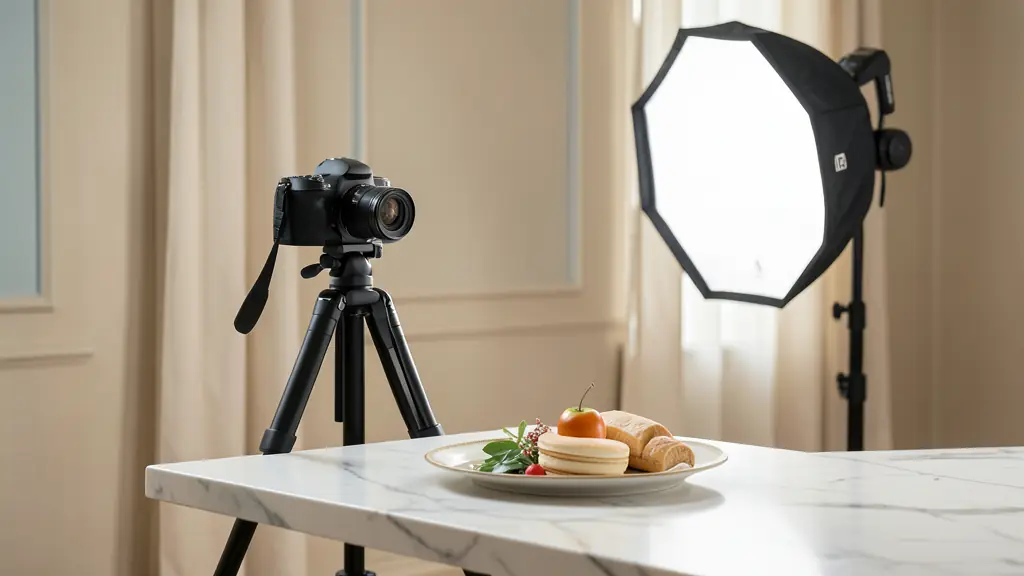
The Commercial Objective: Conversion vs. Expression
The commercial photography objective is not to capture a moment, but to create a desire. In the luxury food and beverage sector, this means moving beyond simple documentation to evoke a sensory response. When a customer views a high-end image of a cocktail or a signature dish, they are not just seeing ingredients; they are perceiving the quality of the craftsmanship and the atmosphere of the establishment.
This strategic approach allows a business to justify premium pricing. If an image looks amateur, the perceived value of the product drops, regardless of the actual quality of the food. Commercial imagery bridges this gap by:
- Psychologically anchoring the product as a high-value item.
- Eliminating consumer hesitation through visual clarity and professionalism.
- Creating an emotional connection that triggers an immediate purchase intent.
- Differentiating the brand from competitors who rely on mediocre visuals.
While a fine art photographer might prioritize an abstract mood, the commercial photographer prioritizes the conversion rate.
Custom Commercial Assets vs. Stock Photography
Relying on stock imagery is a common pitfall for growing brands. While stock photos are cost-effective in the short term, they are devoid of authenticity. Because these images are licensed to thousands of different users, there is a significant risk that a competitor is using the exact same « artisanal burger » photo on their own menu. This erodes trust and signals a lack of genuine craftsmanship.
Custom commercial assets, conversely, are the bedrock of a strong brand visual identity. They ensure that every image is an honest and elevated representation of the actual product being served. This exclusivity builds a narrative of authenticity that stock photos cannot replicate.
| Feature | Stock Photography | Custom Commercial Photography |
|---|---|---|
| Exclusivity | Shared with countless brands | Owned exclusively by the client |
| Authenticity | Generic representations | Precise depiction of actual offerings |
| Brand Alignment | Limited to available libraries | Tailored to specific brand psychology |
| Conversion Impact | Low to Moderate (Generic) | High (Trust-based) |
| Investment | Low upfront cost | Strategic investment in ROI |
Who Employs Commercial Photographers?
The demand for high-end visual storytelling spans several sectors of the economy. Typically, commercial photography clients include advertising agencies tasked with large-scale campaigns, e-commerce brands requiring precise product catalogs, and hospitality groups looking to elevate their digital presence. Corporate marketing departments also employ these specialists to ensure their visual communication remains consistent across all touchpoints.
The process is rarely spontaneous. It begins with a creative brief: a strategic document that outlines the target audience, the emotional tone of the campaign, and the specific deliverables required. The photographer then translates this business logic into technical execution, ensuring that the final output aligns perfectly with the Marketing Campaign objectives.
The Commercial Umbrella: Key Visual Categories
Commercial photography is an expansive field divided into specialized niches, each serving a different business function:
Product Photography
Focused on the item itself, often isolated against a clean background. This is the gold standard for E-commerce, where the goal is to remove distractions and highlight the physical attributes of the product. For those seeking absolute precision, controlled studio imagery is the most effective way to showcase detail and texture.
Lifestyle Photography
These images show the product in use, placing it within a relatable or aspirational context. The goal is to sell a feeling or a lifestyle, helping the consumer imagine themselves experiencing the brand.
Food and Beverage Photography
A sensory-driven niche where the objective is to make the viewer « taste » the image. It requires deep knowledge of food styling and lighting to capture the sparkle of a cocktail or the steam from a fresh plate.
Architectural Photography
Focused on the spatial experience, this category is essential for hospitality brands to showcase the ambiance and luxury of their physical locations.
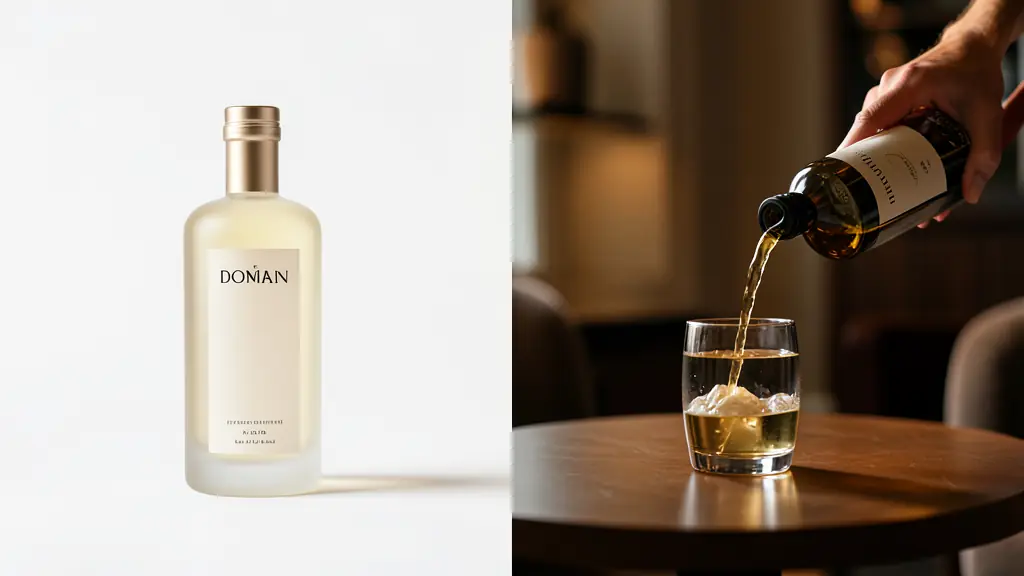
From Frame to Funnel: Integrating Imagery into Marketing
A high-quality image is only as valuable as its placement within the marketing funnel. To maximize ROI, these visual assets must be integrated strategically across every customer touchpoint. When a user scrolls through a delivery app, a high-resolution, professionally lit thumbnail is often the only factor that determines whether they click on a restaurant or keep scrolling.
Effective integration includes:
- Delivery App Thumbnails: Using high-contrast, appetizing imagery to increase click-through rates.
- Instagram and TikTok Ads: Deploying dynamic, lifestyle-oriented visuals that stop the scroll and drive traffic.
- Digital Menus: Implementing a composition that sells to guide the customer toward high-margin signature dishes.
- Corporate Brochures: Using architectural and lifestyle shots to attract high-spending corporate partnerships.
Every image serves as a silent salesperson. When the visual quality matches the culinary quality, the friction in the buying process disappears.
If you examine your current digital presence alongside your top competitors, does your imagery command the same level of authority? If there is a visible gap in quality, your brand is losing credibility before the customer even tastes the food. The priority is clear: a custom commercial shoot is the only way to reclaim your brand authority and justify your premium position in the market.
Envie d'aller plus loin ?
Laisse ton email, on te prévient dès qu'un nouvel article sort.